U.S. Presidents
All presidents – a timeline.
In its nearly 250-year history, the United States has been governed by a total of 45 different presidents and 50 vice presidents. You may be surprised, since the current president is the 47th president of the USA. Yes, that is correct. However, both Grover Cleveland (1884 and 1892) and Donald J. Trump (2016 and 2024) were elected to the presidency twice, with their two terms not being consecutive – making them the 22nd and 24th, and the 45th and 47th presidents of the United States respectively. Sixteen presidents previously served as vice president, including the 46th president, Joe Biden, who held the office of vice president from 2009 to 2017 under Barack Obama.
An interesting phenomenon affecting presidents elected between 1840 and 1960 in a year ending in zero is known as “Tecumseh’s Curse.” All seven presidents (Harrison, Lincoln, Garfield, McKinley, Harding, FDR and Kennedy) elected in such a year died in office or were assassinated. This coincidence traces back to William Henry Harrison, elected in 1840, who had defeated the Native Americans led by Tecumseh at the Battle of Fallen Timbers in 1794. Ronald Reagan (elected 1980) was the first “survivor” of this “curse.”
Since 1872, more than 50 women have run for the presidency. Victoria Woodhull was the first to run, long before women even had the right to vote at the federal level. One hundred years later, in 1972, Shirley Chisholm ran, who was the first Black woman elected to Congress. In 2016, former First Lady Hillary Rodham Clinton was the first woman to be nominated for the office by one of the major parties. In the primaries for the 2020 presidential election, Senator Kamala Harris of California also ran. After ending her own candidacy, Democratic candidate Joe Biden introduced her as his running mate. On 20 January 2021, she became the first female vice president of the USA and thus the highest-ranking woman in an official position in U.S. history. In August 2024, following Joe Biden’s withdrawal from his candidacy, she accepted the nomination as the Democratic presidential candidate.
Timeline: 1789 to 1901
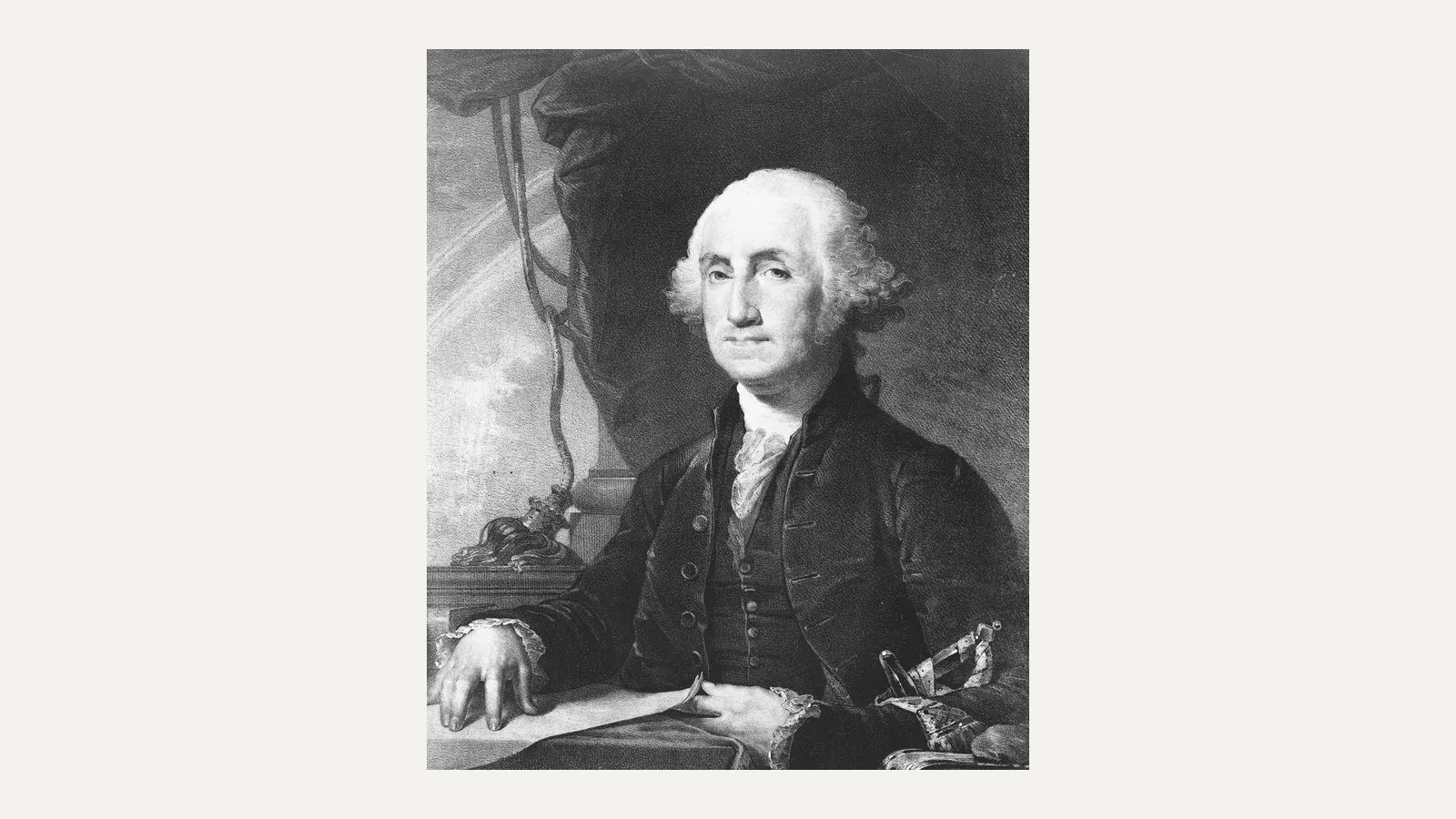
Term in office: 30. April 1789 - 4. March 1797
Party: Independent
Elections: 1788/1789; 1792
Vice President: John Adams
Fun Fact: George Washington is the only president elected unanimously by the Electoral College.
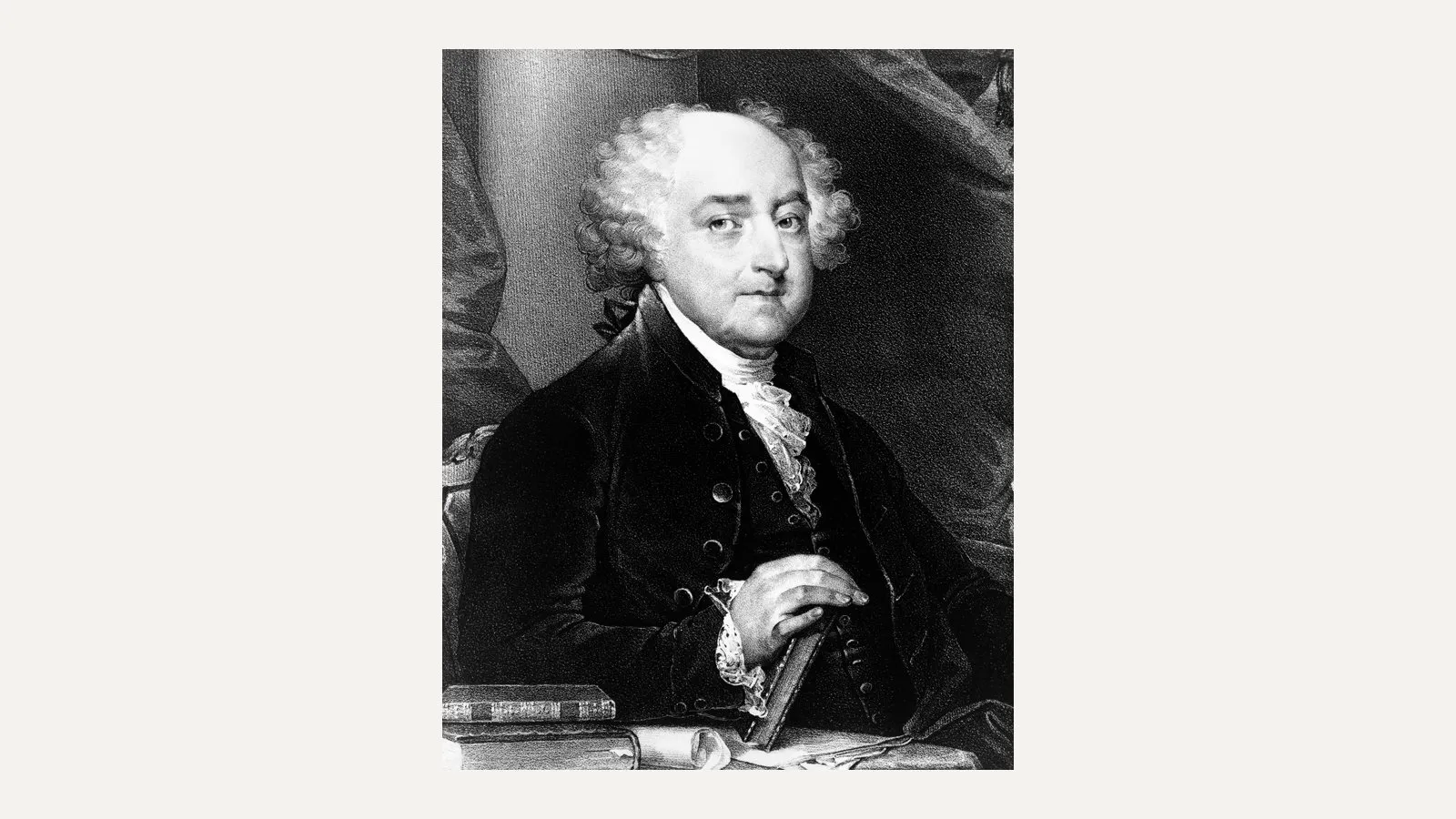
Term in office: 04. March 1797 - 04. March 1801
Party: Federalist
Elections: 1796
Vice President: Thomas Jefferson
Fun Fact: His last words were: “Thomas Jefferson survives.” What he did not know was that Jefferson had died a few hours earlier.
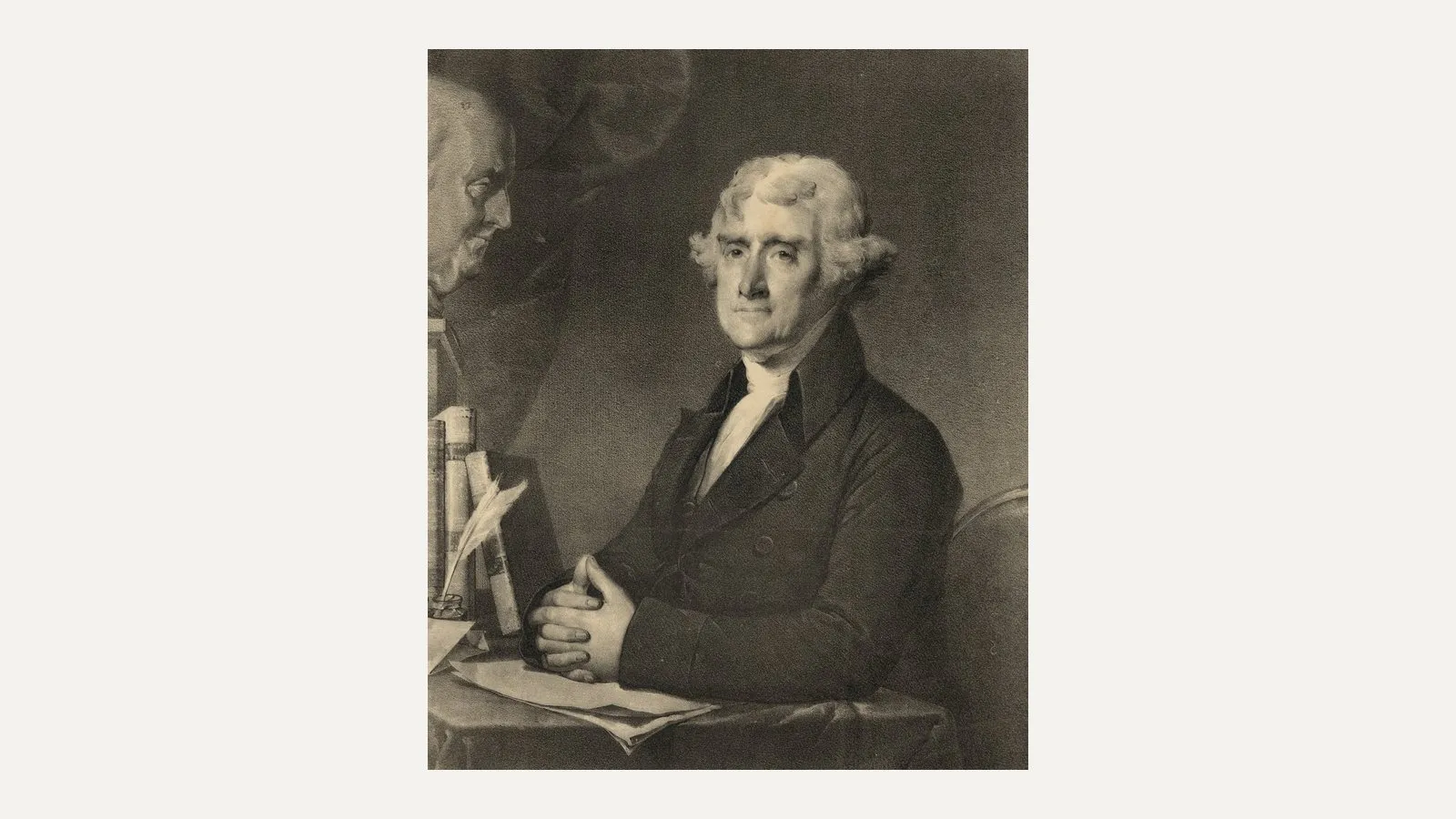
Term in office: 04. March 1801 - 4. March 1809
Party: Democratic-Republican
Elections: 1800; 1804
Vice President: Aaron Burr (1801-1805); George Clinton (1805-1809)
Fun Fact: Thomas Jefferson introduced ice cream as a dessert specialty. He may have left behind the first ice cream recipe in the USA: six egg yolks, half a pound of sugar, two bottles of cream and one vanilla pod.
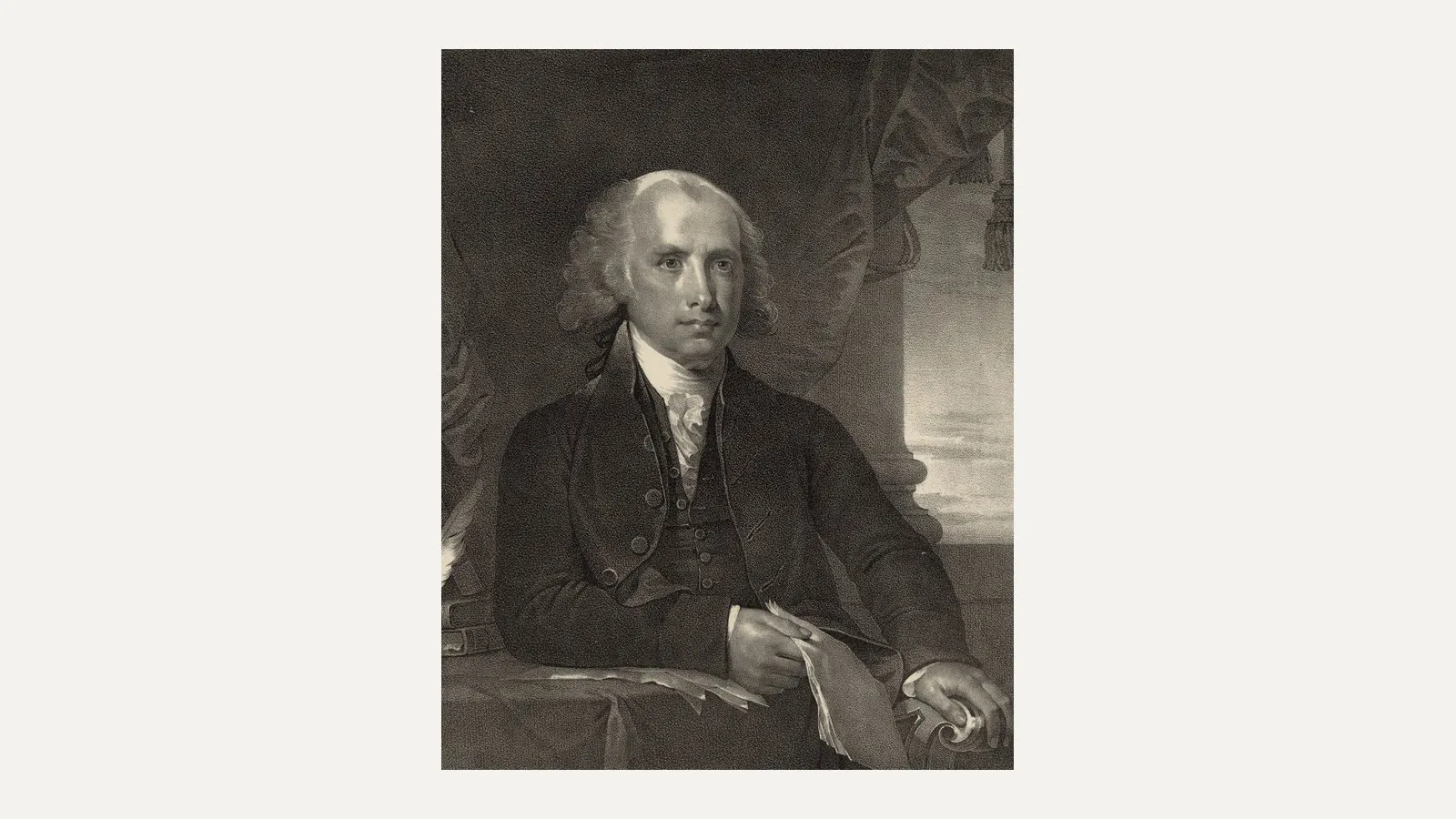
Term in office: 04. March 1809 - 04. March 1817
Party: Democratic-Republican
Elections: 1808; 1812
Vice President: George Clinton (1809-1812); Elbridge Gerry (1813-1814)
Fun Fact: James Madison was the shortest president at 1.62 m (5 ft 4 in). He weighed about 45 kg (100 lbs).
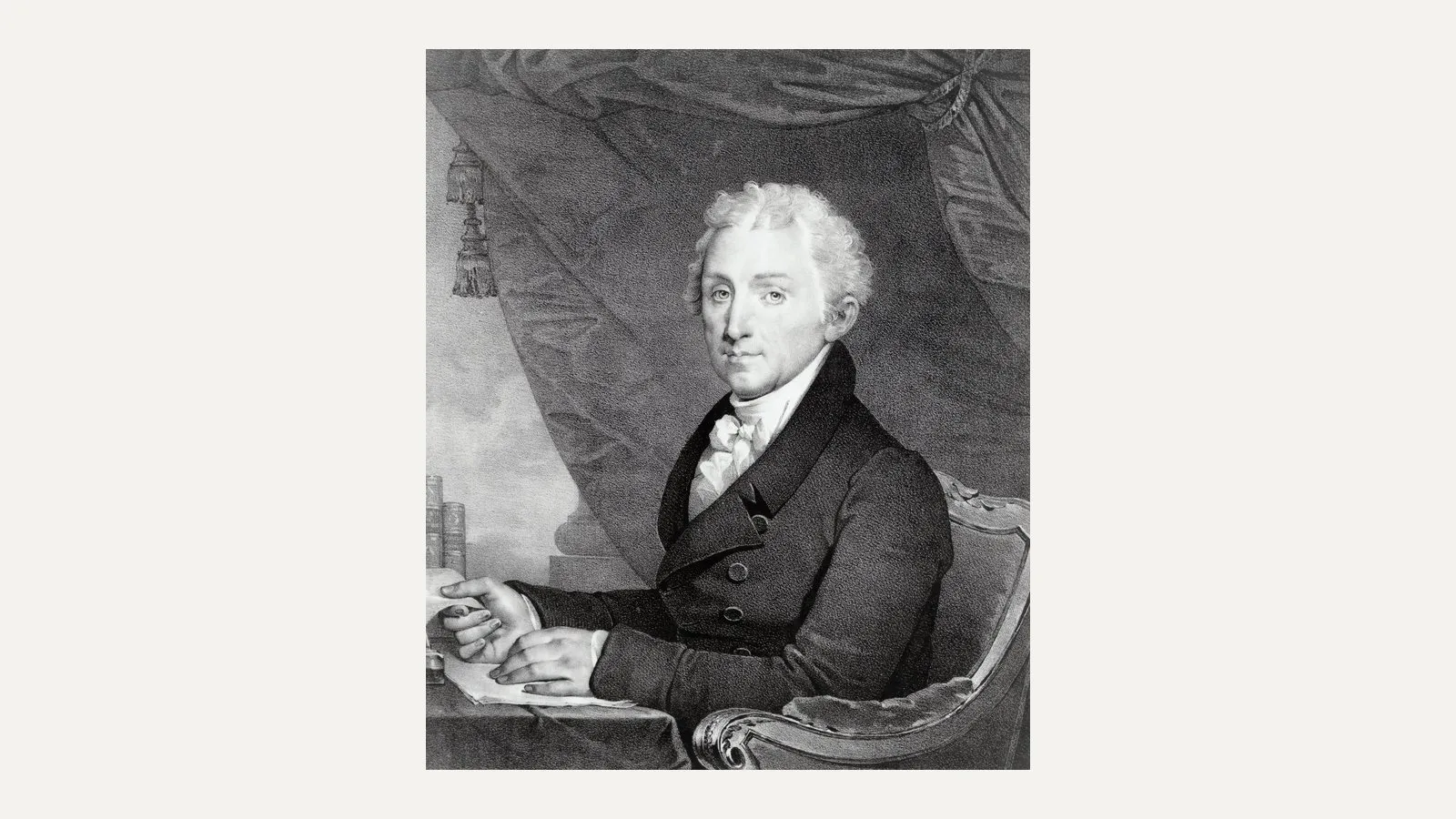
Term in office: 04. March 1817 - 04. March 1825
Party: Democratic-Republican
Elections: 1816; 1820
Vice President: Daniel D. Tompkins
Fun Fact: James Monroe and his wife Elizabeth were guests at Napoleon Bonaparte’s coronation in 1804. Monroe was the American ambassador to Great Britain at the time.
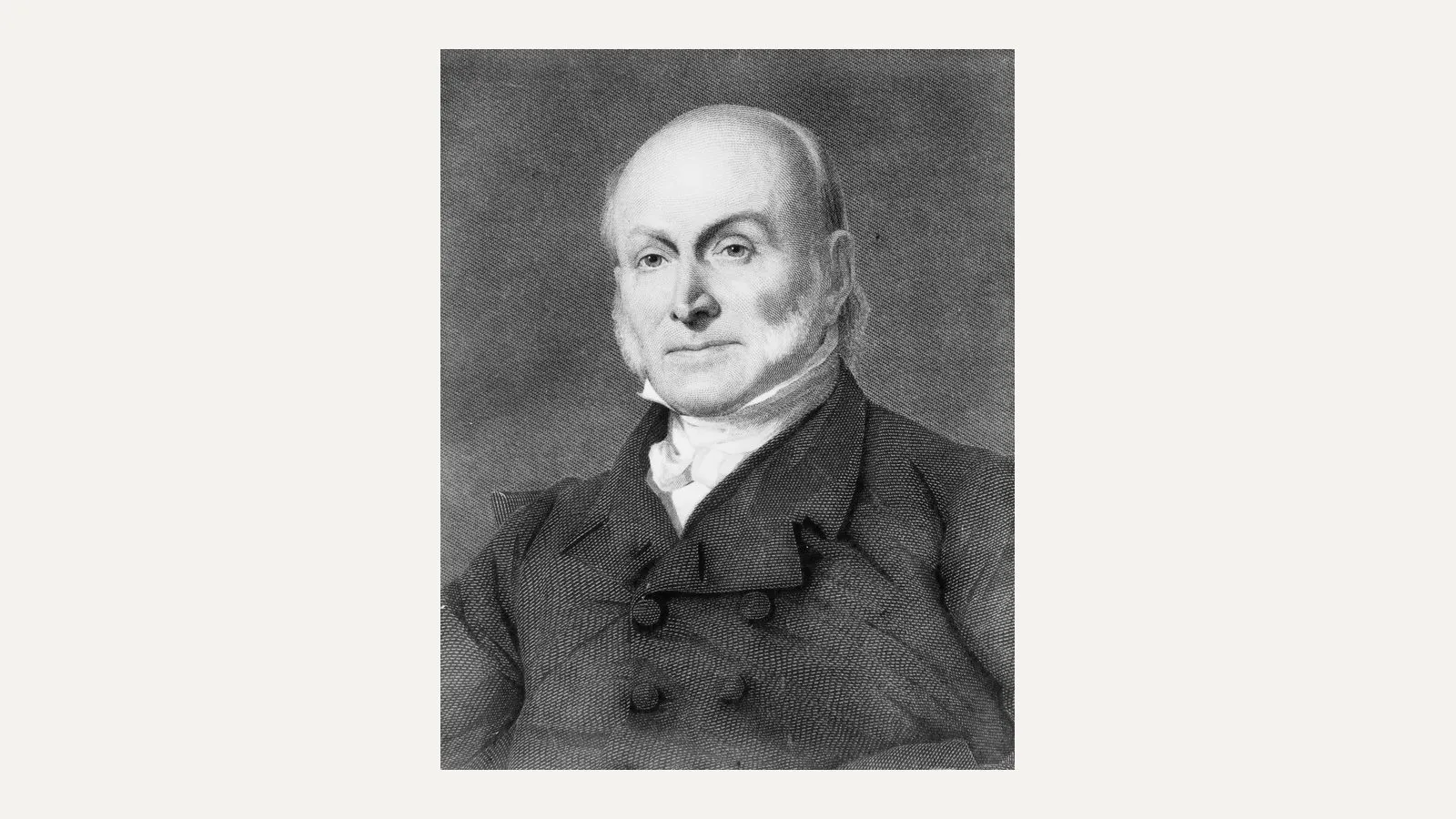
Term in office: 04. March 1825 - 04. March 1829
Party: Democratic-Republican; National Republican
Elections: 1824
Vice President: John C. Calhoun
Fun Fact: John Q. Adams kept an alligator in the bathtub of the White House. He had received it as a gift from the Marquis de Lafayette.
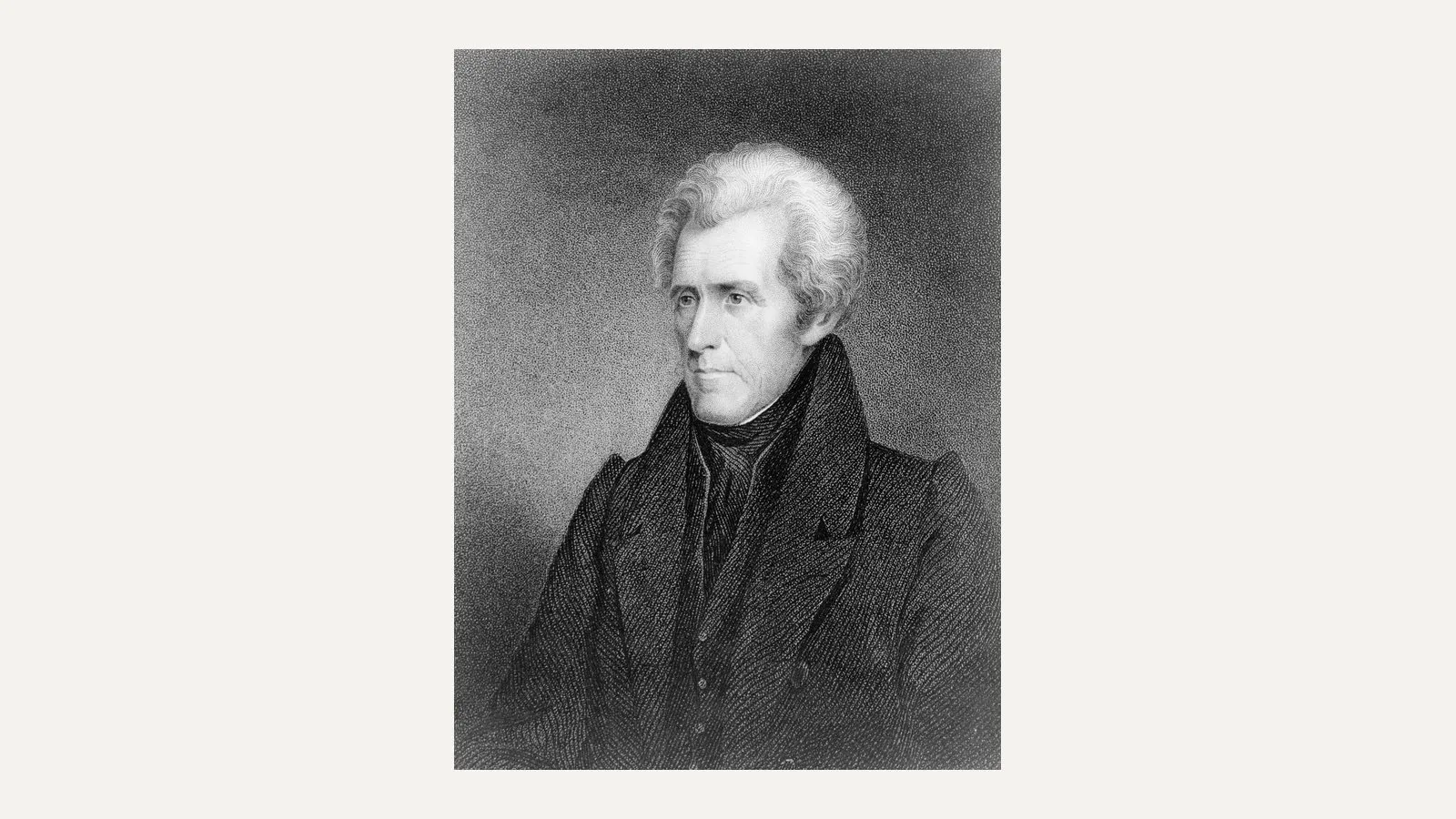
Term in office: 04. March 1829 - 04. March 1837
Party: Democrat
Elections: 1828; 1832
Vice President: John C. Calhoun (1829-1832); Martin Van Buren (1833-1837)
Fun Fact: Andrew Jackson had a 635 kg (1,400 lb) block of cheese in the White House. After his term, the public was allowed to eat it.
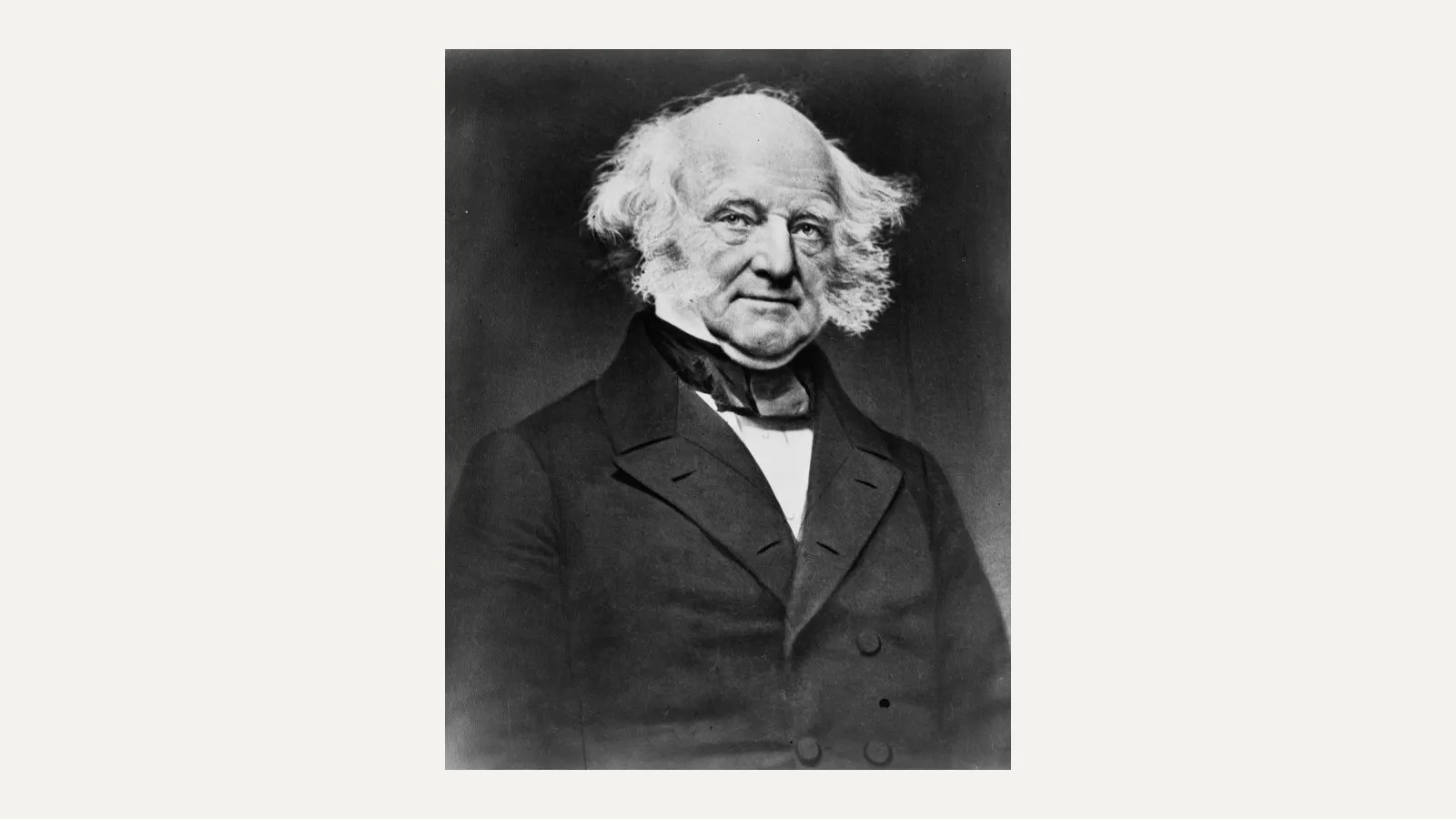
Term in office: 04. March 1837 - 04. March 1841
Party: Democrat
Elections: 1836
Vice President: Richard Mentor Johnson
Fun Fact: Martin Van Buren is the first president born after the American Revolution, making him the first natural-born citizen to serve as president.
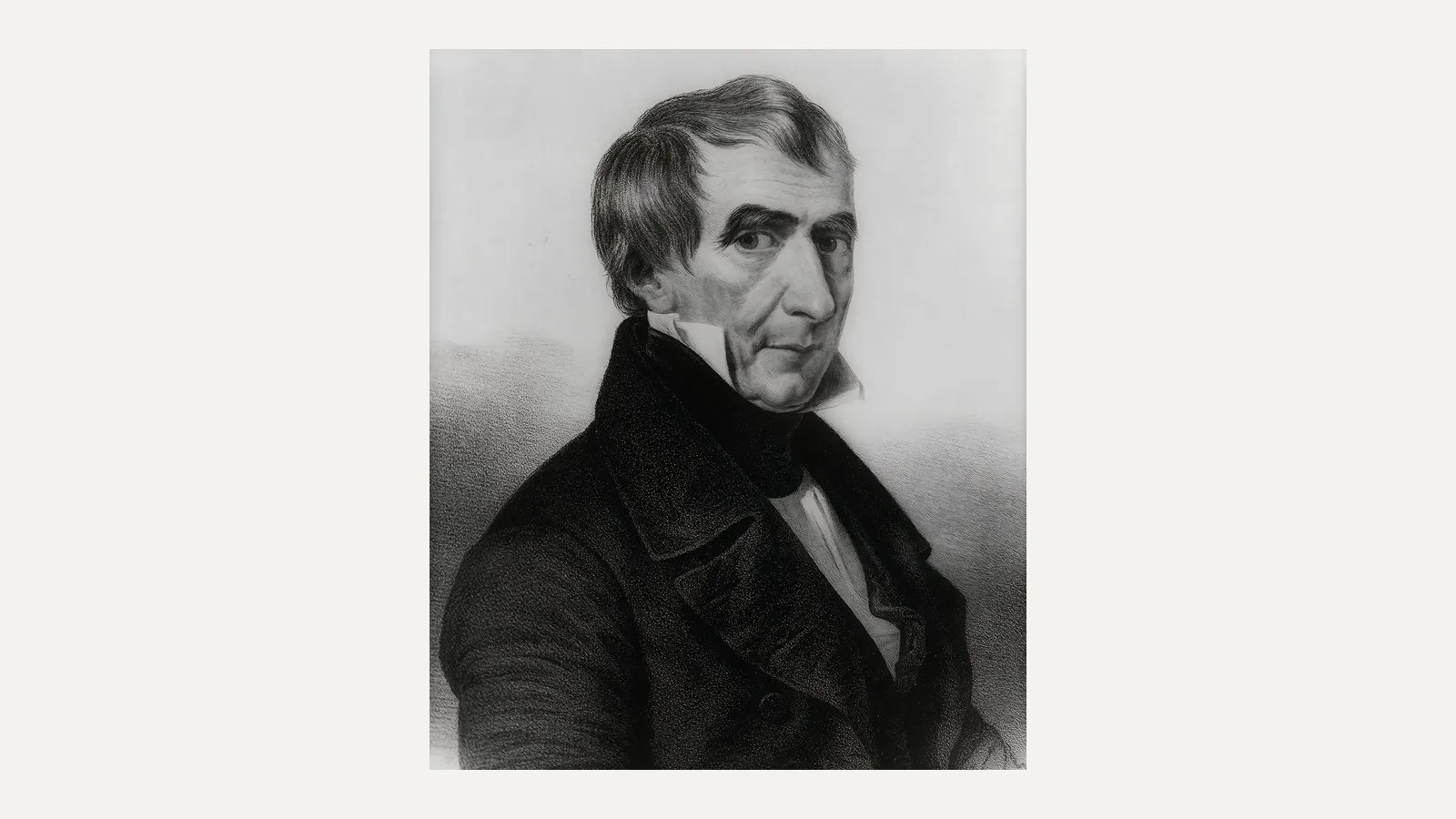
Term in office: 04. March 1841 - 04. April 1841
Party: Whig
Elections: 1840
Vice President: John Tyler
Fun Fact: William Henry Harrison’s inaugural address is the longest to date. It lasted about 1 hour and 45 minutes – during a snowstorm. He died of pneumonia a month later.
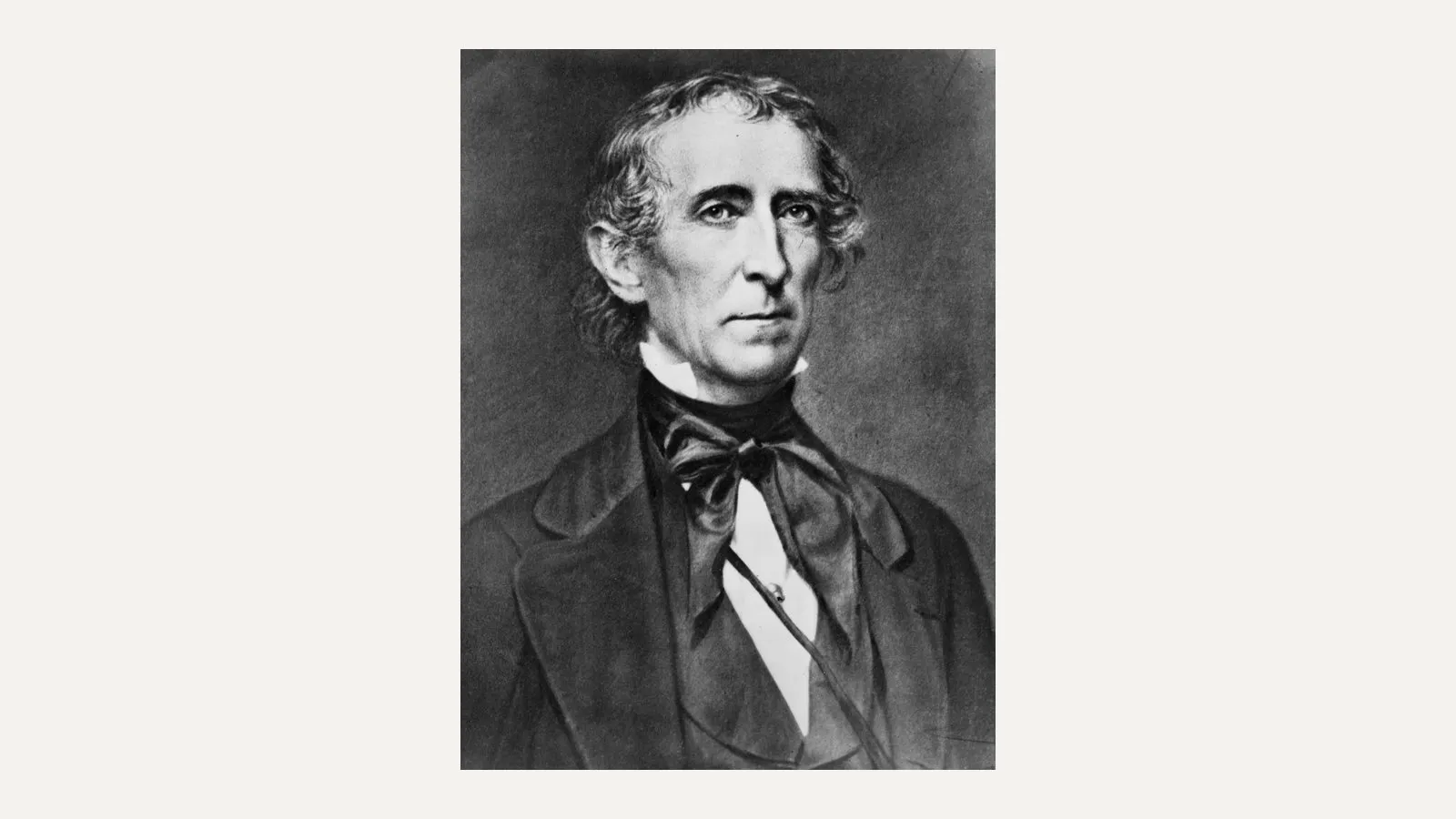
Term in office: 04. April 1841 - 04. March 1845
Party: Whig; Independent
Elections: 1840
Vice President: Keiner
Fun Fact: A grandson of John Tyler is still alive. Harrison Tyler was born in 1928. How is that possible? Both John Tyler and his son Lyon Gardiner Tyler became fathers again at the ages of 70 and 75 respectively. In total, John Tyler had 15 children.
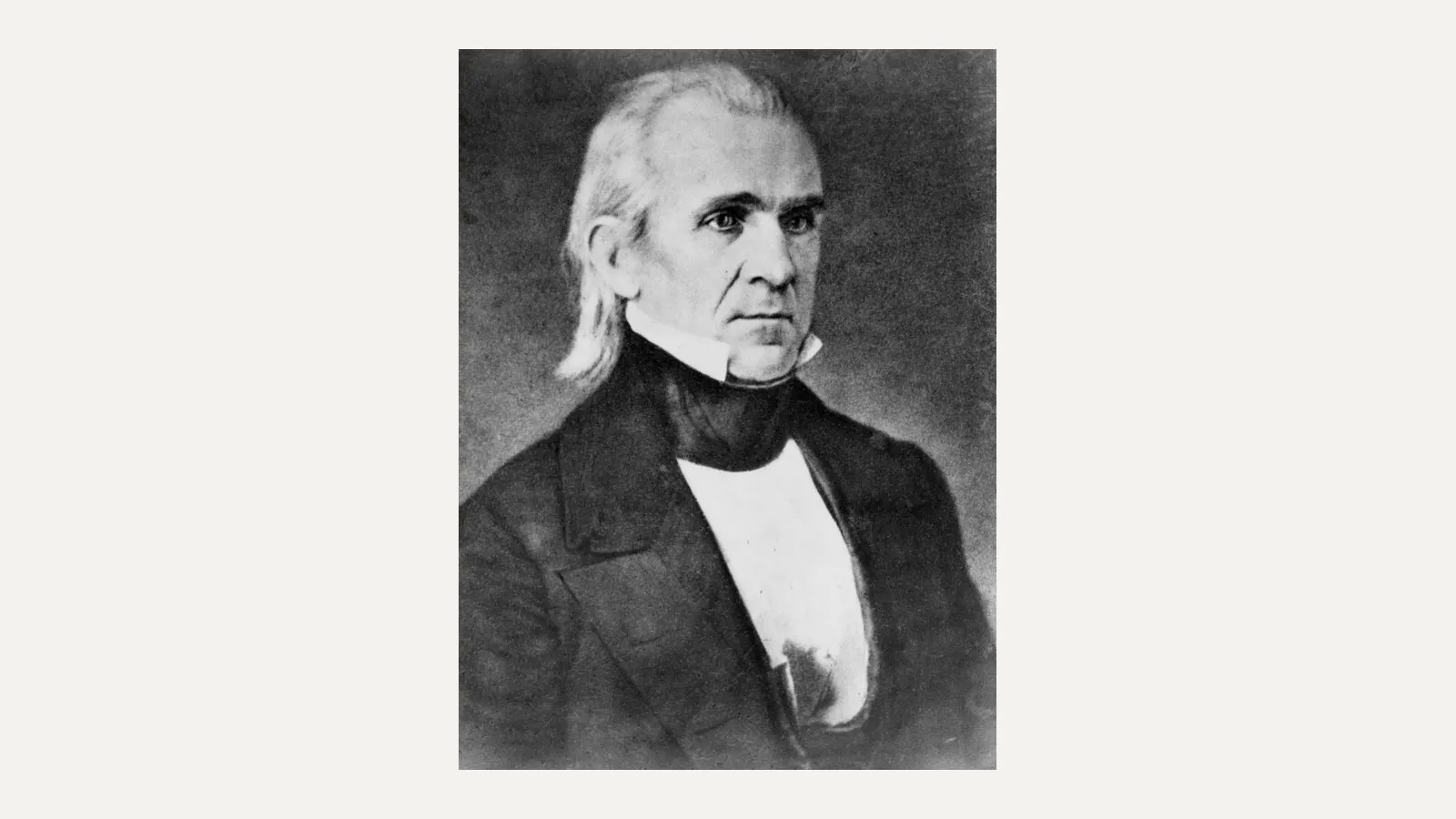
Term in office: 04. March 1845 - 04. March 1849
Party: Democrat
Elections: 1844
Vice President: George M. Dallas
Fun Fact: James K. Polk is the first president to be photographed during his term in office.
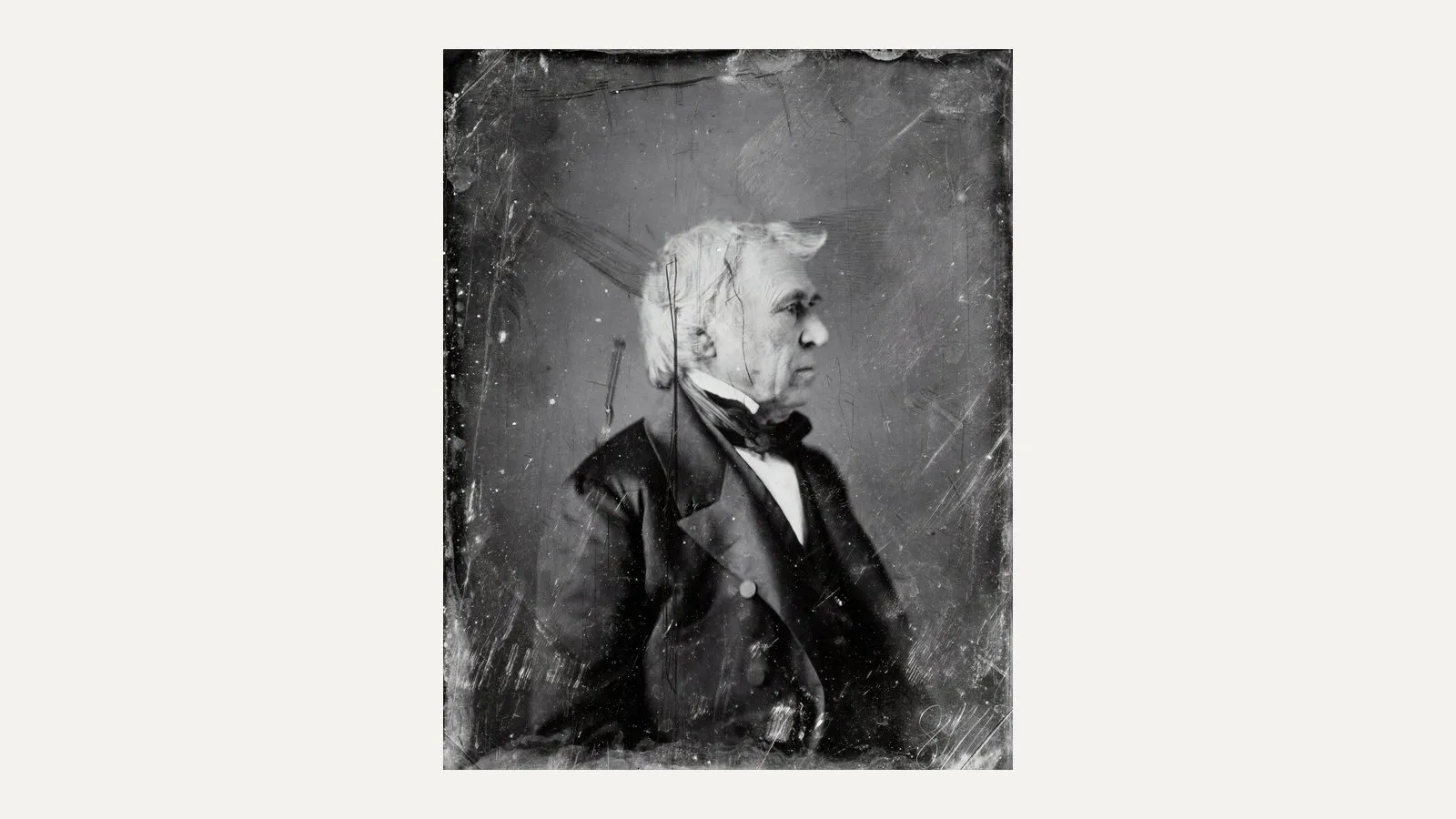
Term in office: 04. March 1849 - 09. July 1850
Party: Whig
Elections: 1848
Vice President: Millard Fillmore
Fun Fact: Zachary Taylor was nominated by the Whig Party without his knowledge. He learned of it through a letter, accepted the nomination, but refused to campaign.
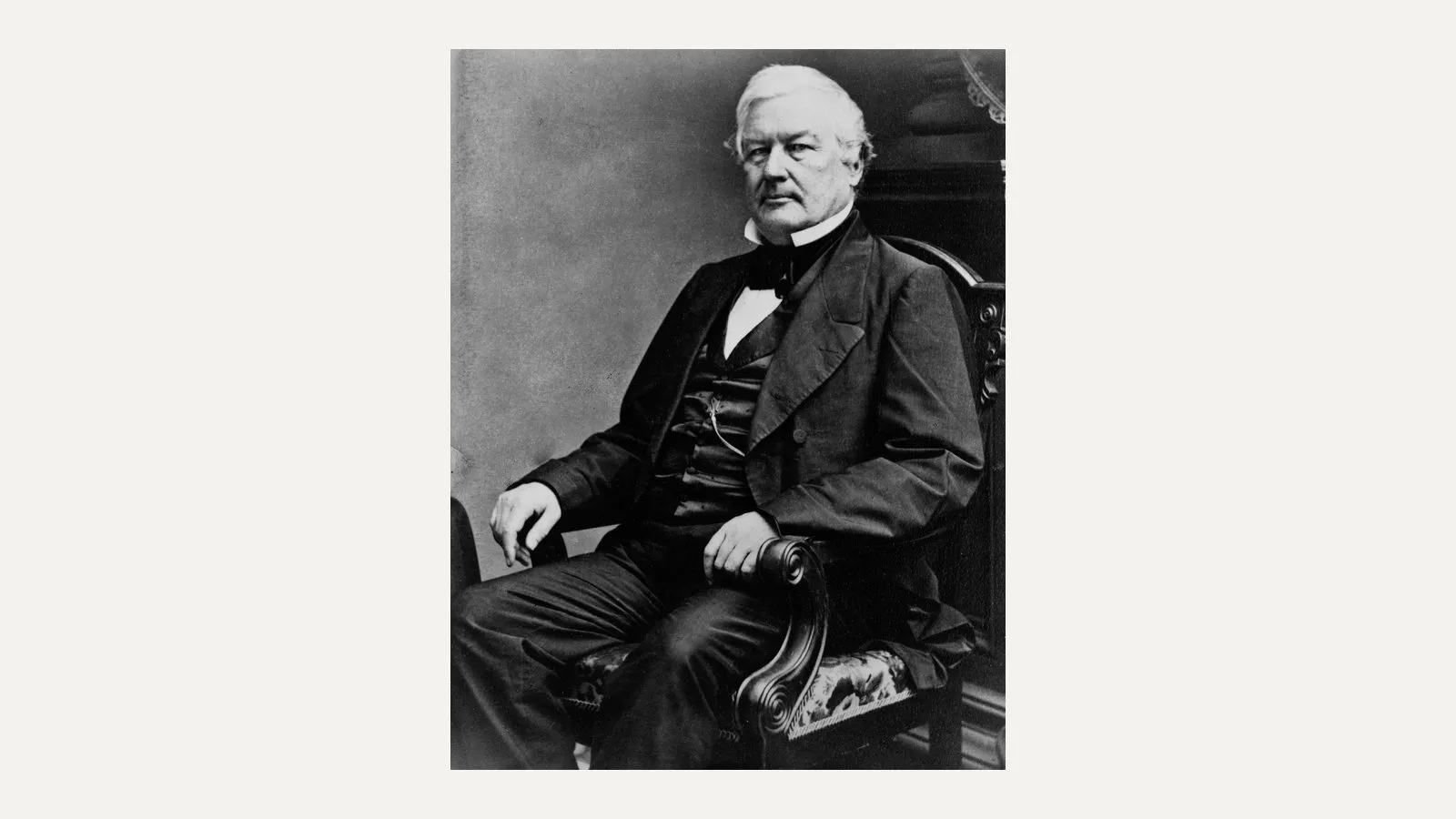
Term in office: 09. July 1850 - 04. March 1853
Party: Whig
Elections: 1848 (als Vizepräsident)
Vice President: Keiner
Fun Fact: Millard Fillmore and his wife founded the first permanent library in the White House. In December 1851 he helped fight the fire at the Library of Congress and passed a law to replace the destroyed books.
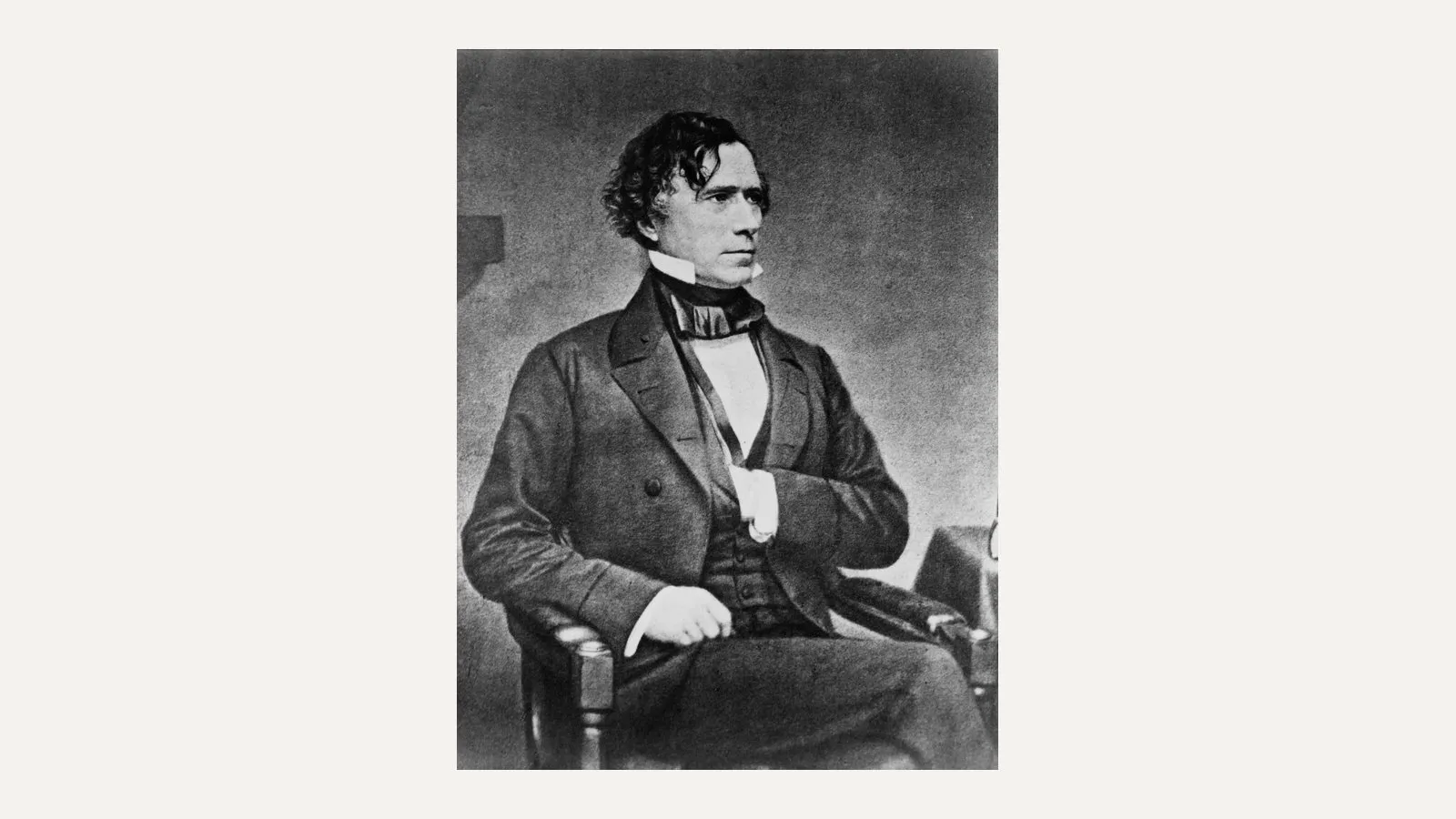
Term in office: 04. March 1853 - 04. March 1857
Party: Democrat
Elections: 1852
Vice President: William R. King
Fun Fact: Franklin Pierce was the first president to deliver his inaugural address from memory. It was over 3,000 words long and he had no notes.
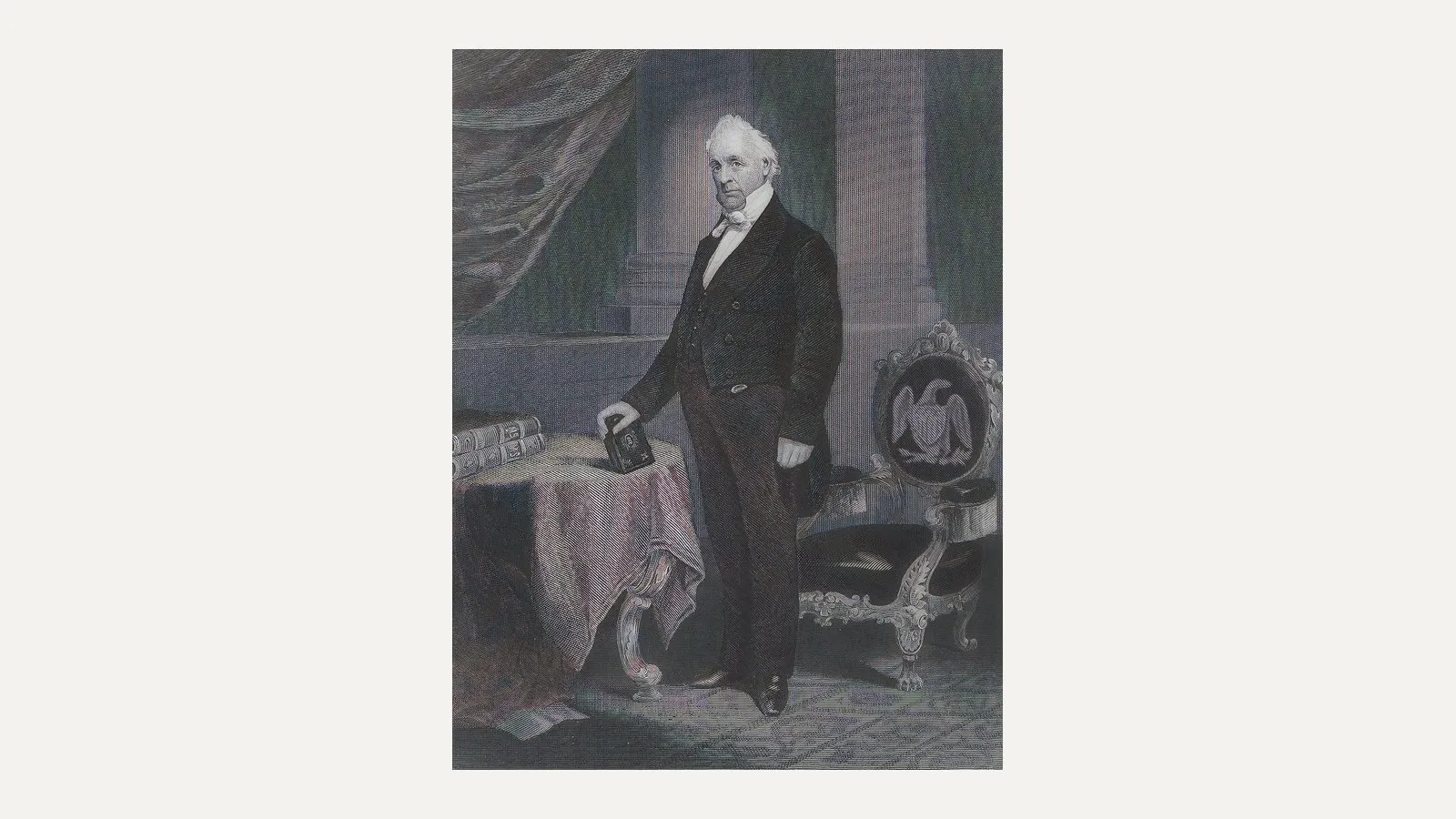
Term in office: 04. March 1857 - 04. March 1861
Party: Democrat
Elections: 1856
Vice President: John C. Breckinridge
Fun Fact: Although James Buchanan was once engaged, he never married after the engagement was dissolved. He is the only president to remain a lifelong bachelor.
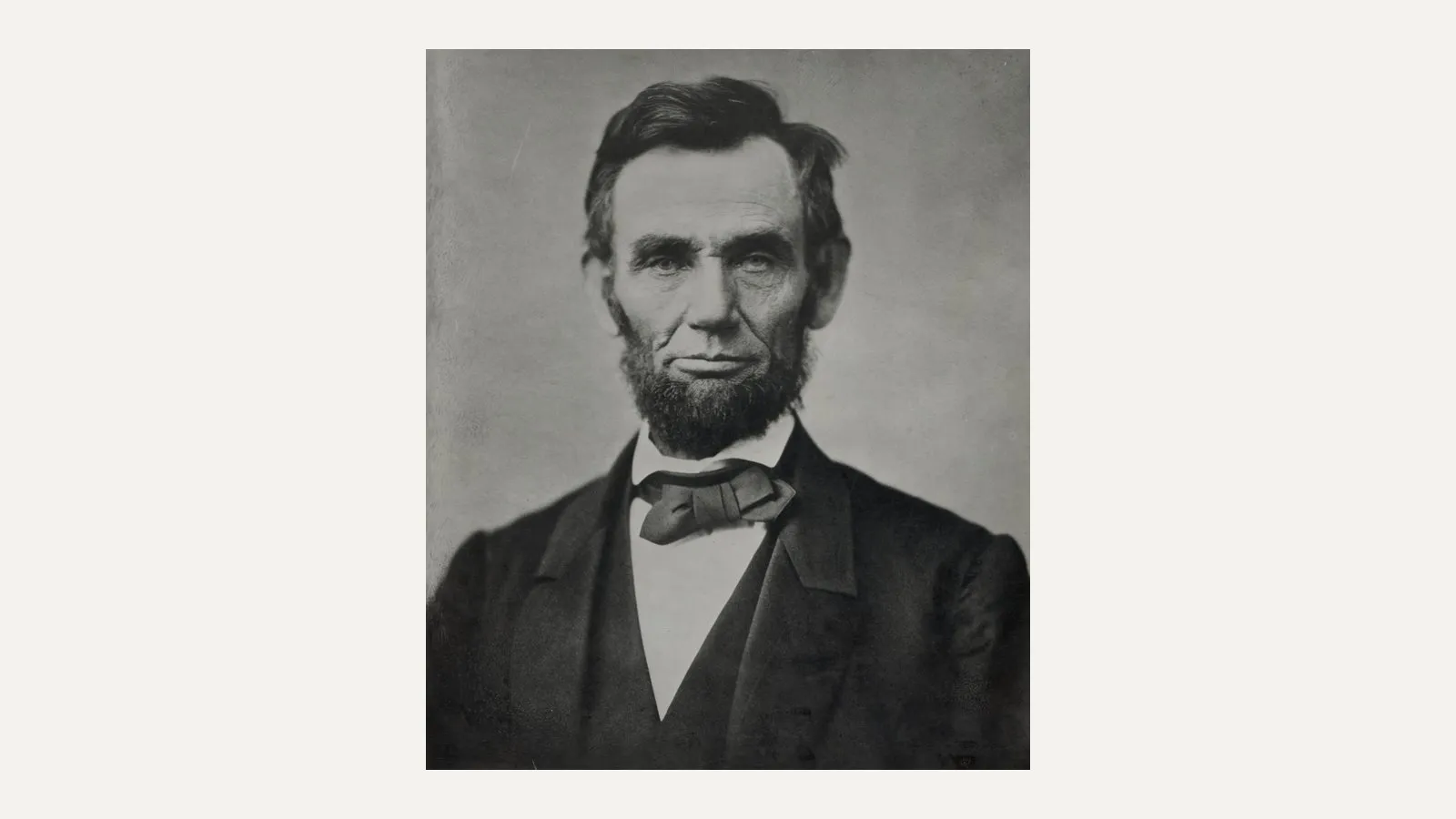
Term in office: 04. March 1861 - 15. April 1865
Party: Republican; National Union
Elections: 1860; 1864
Vice President: Hannibal Hamlin (1861-1865); Andrew Johnson (1865)
Fun Fact: Abraham Lincoln often stored things like letters or documents in his tall hat.
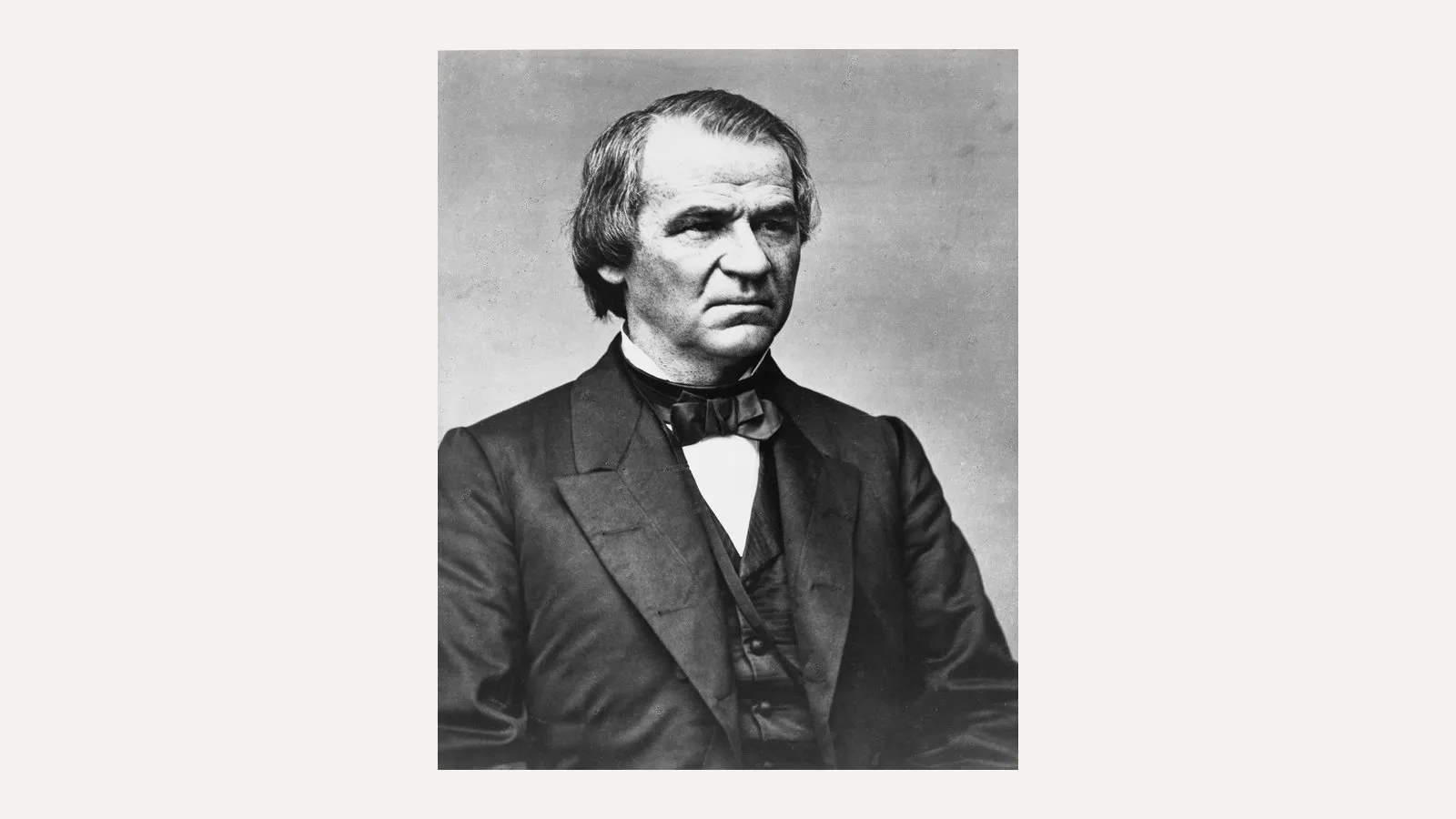
Term in office: 15. April 1865 - 04. March 1869
Party: National Union; Democrat
Elections: 1864 (als Vizepräsident)
Vice President: Keiner
Fun Fact: Andrew Johnson used his veto so often that he became known as “The Veto President.”
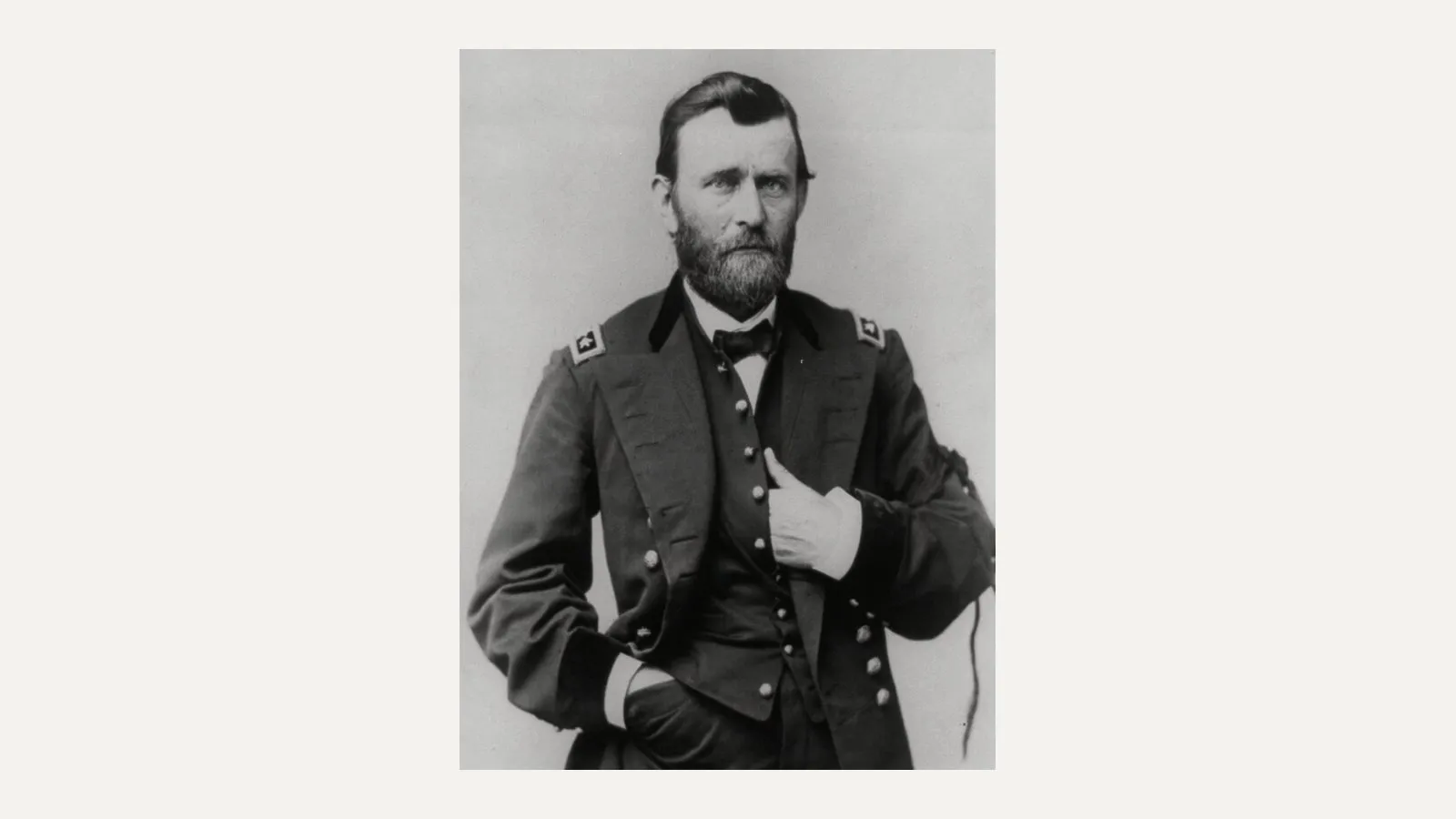
Term in office: 04. March 1869 - 04. March 1877
Party: Republican
Elections: 1868; 1872
Vice President: Schuyler Colfax (1869-1873); Henry Wilson (1873-1875)
Fun Fact: Ulysses S. Grant tried to unite the Northern and Southern states by declaring Christmas a national holiday in 1870.
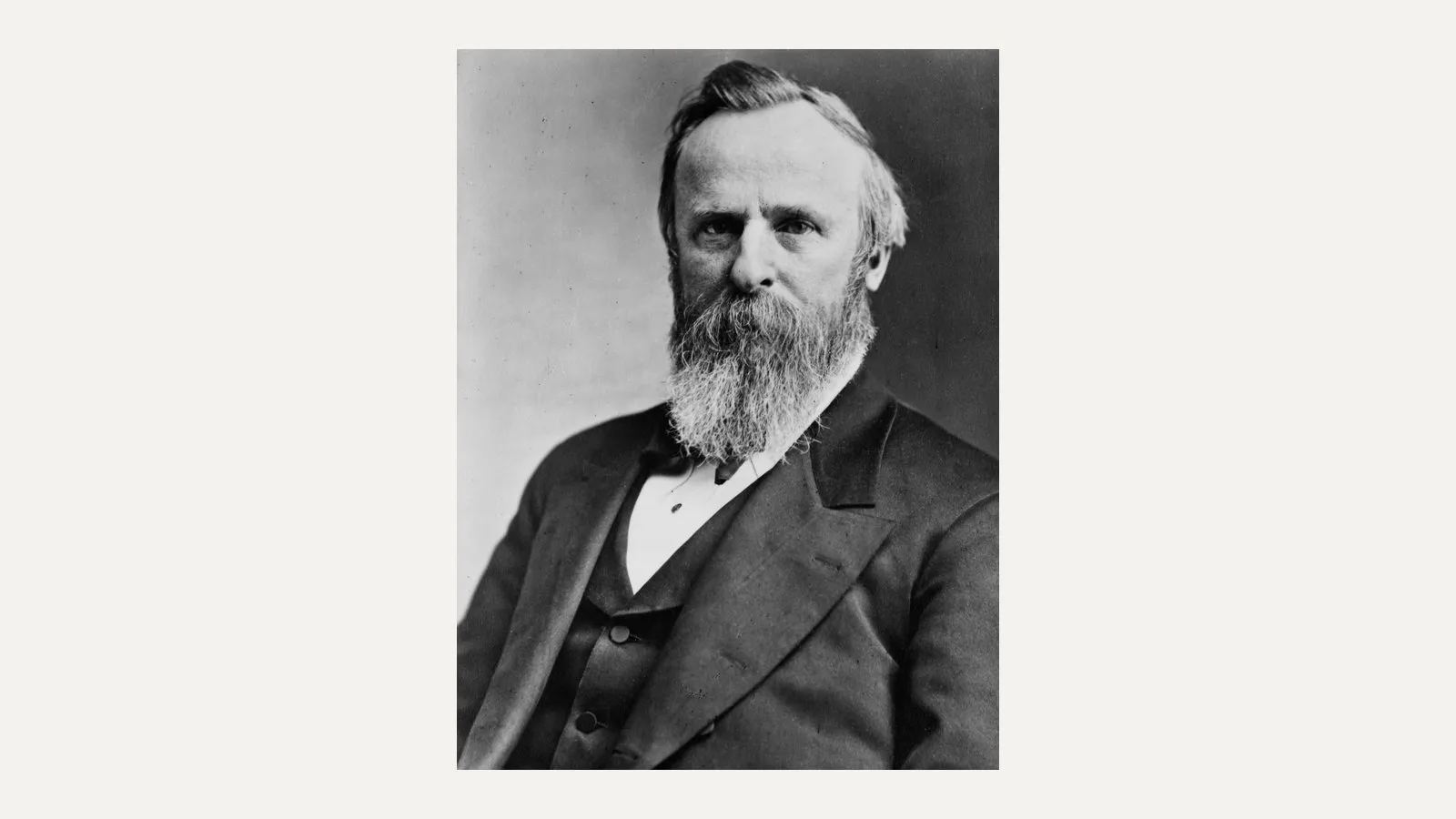
Term in office: 04. March 1877 - 04. March 1881
Party: Republican
Elections: 1876
Vice President: William A. Wheeler
Fun Fact: Rutherford B. Hayes introduced the tradition of the “Easter Egg Roll” on the White House lawn. It has taken place on Easter Monday since 1878.
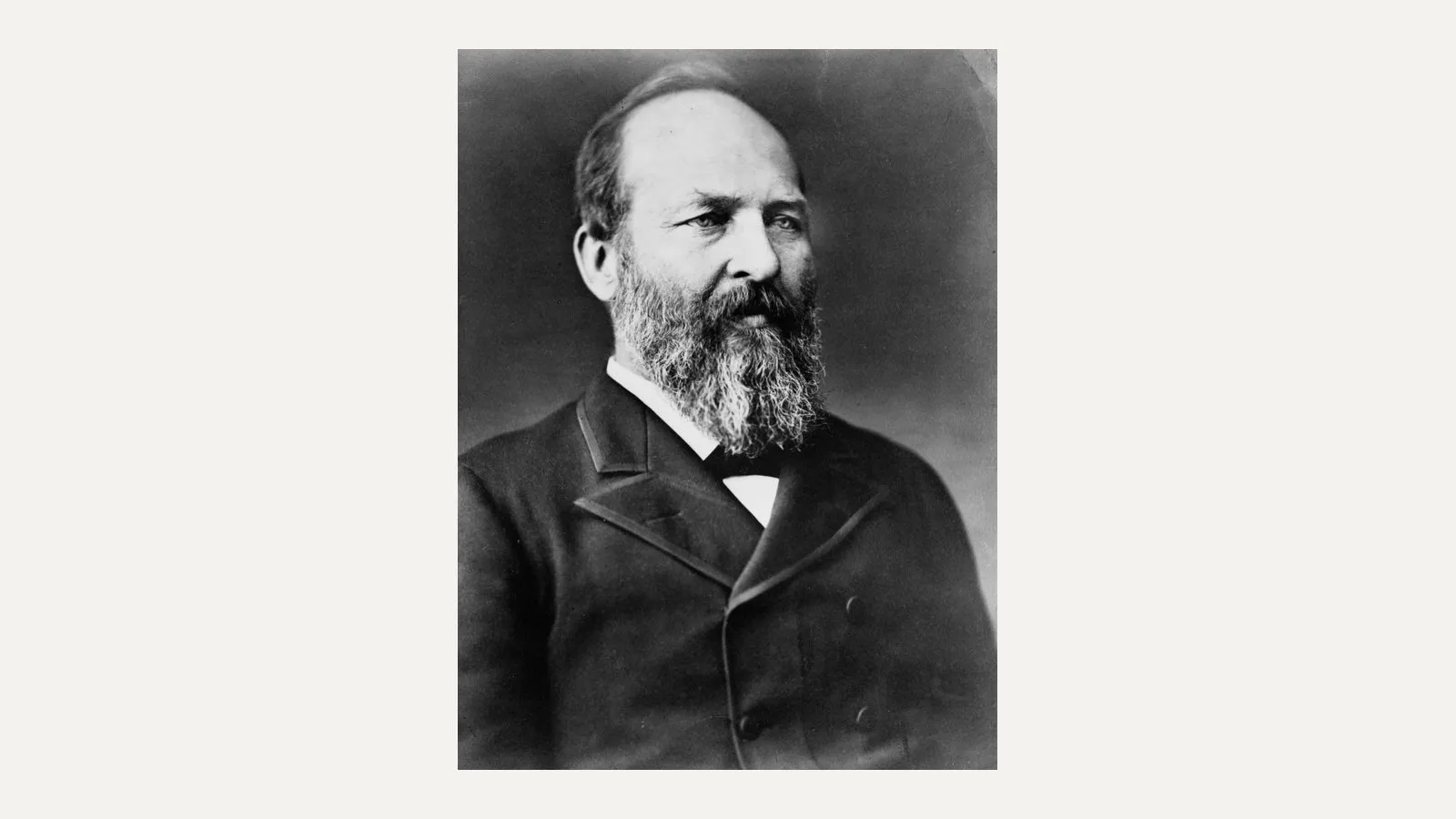
Term in office: 04. March 1881 - 19. September 1881
Party: Republican
Elections: 1880
Vice President: Chester A. Arthur
Fun Fact: James A. Garfield was the first president to campaign in several languages, including German. He very often spoke German with German-Americans he met during the campaign.
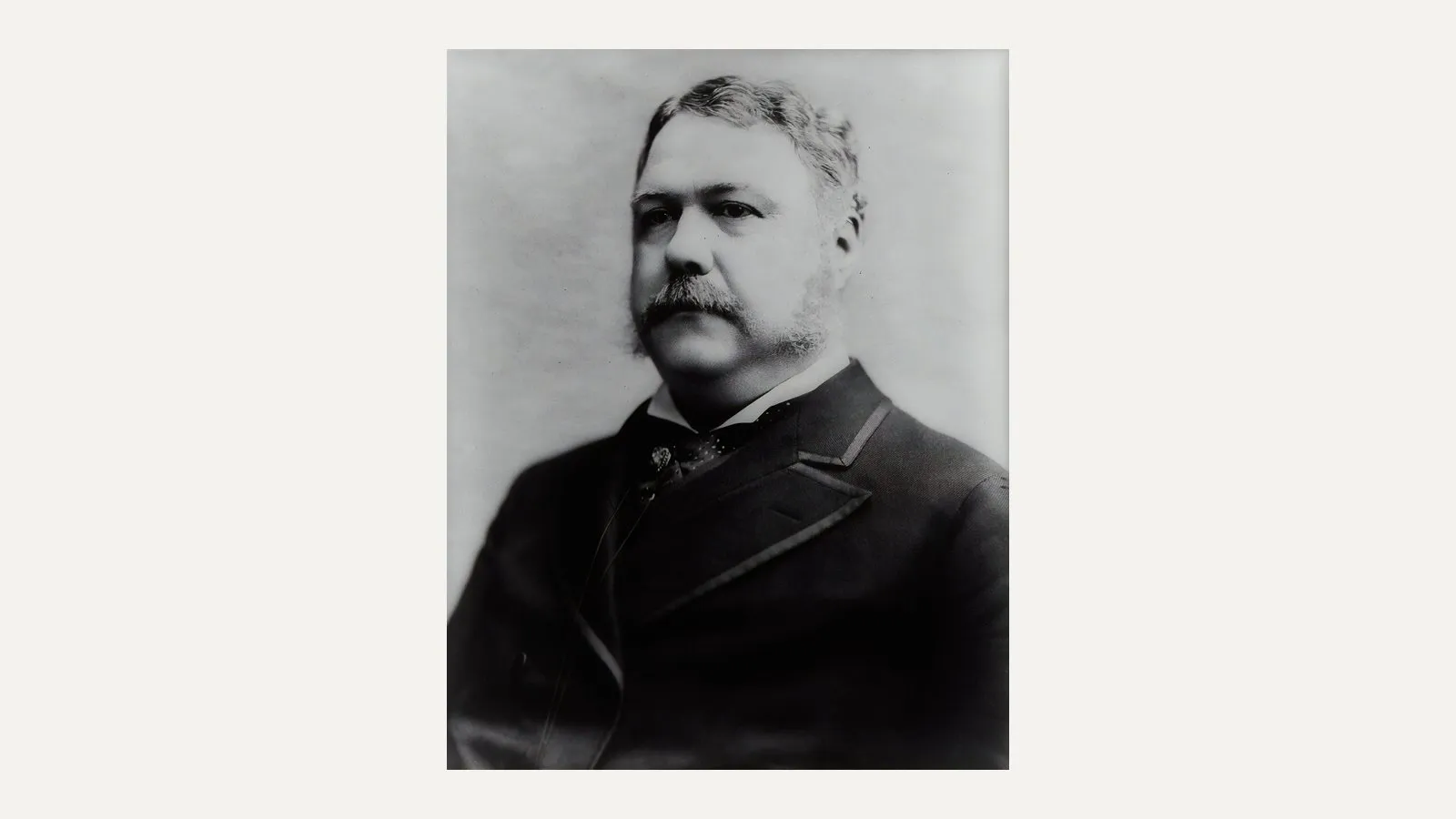
Term in office: 19. September 1881 - 04. March 1885
Party: Republican
Elections: 1880 (als Vizepräsident)
Vice President: Keiner
Fun Fact: Chester A. Arthur hired the famous New York designer Louis Comfort Tiffany to redecorate the White House.
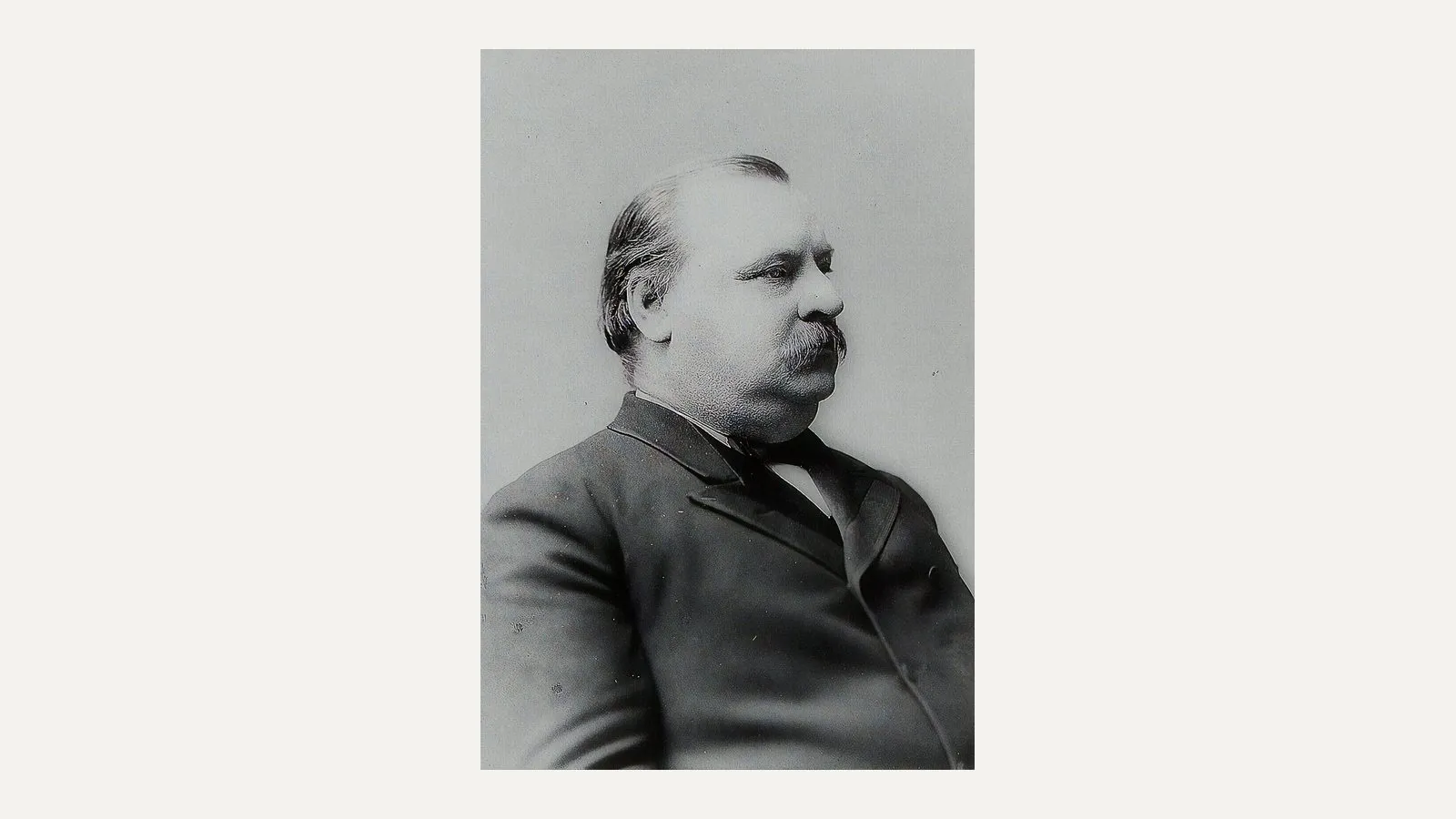
Term in office: 04. March 1885 - 04. March 1889
Party: Democrat
Elections: 1884
Vice President: Thomas A. Hendricks (1885)
Fun Fact: Grover Cleveland won his first presidential election by the narrowest margin. Just 1,200 votes in his adopted home state of New York made the difference.
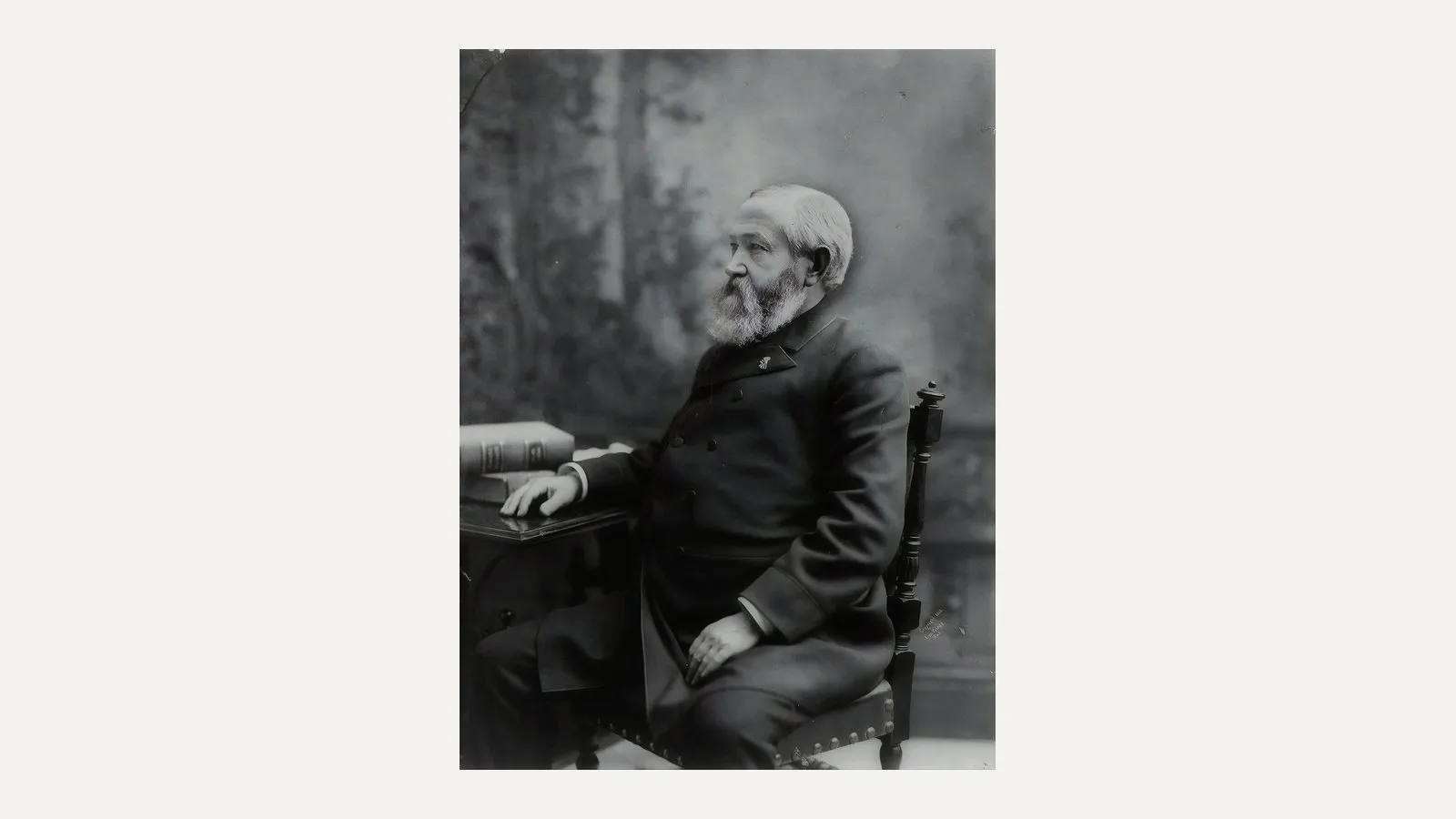
Term in office: 04. March 1889 - 04. March 1893
Party: Republican
Elections: 1888
Vice President: Levi P. Morton
Fun Fact: Benjamin Harrison was the first president to have electricity in the White House. His wife refused to touch the lights for fear of electric shocks.
Term in office: 04. March 1893 - 04. March 1897
Party: Democrat
Elections: 1892
Vice President: Adlai Stevenson I
Fun Fact: Grover Cleveland is the first president to be elected for two non-consecutive terms.
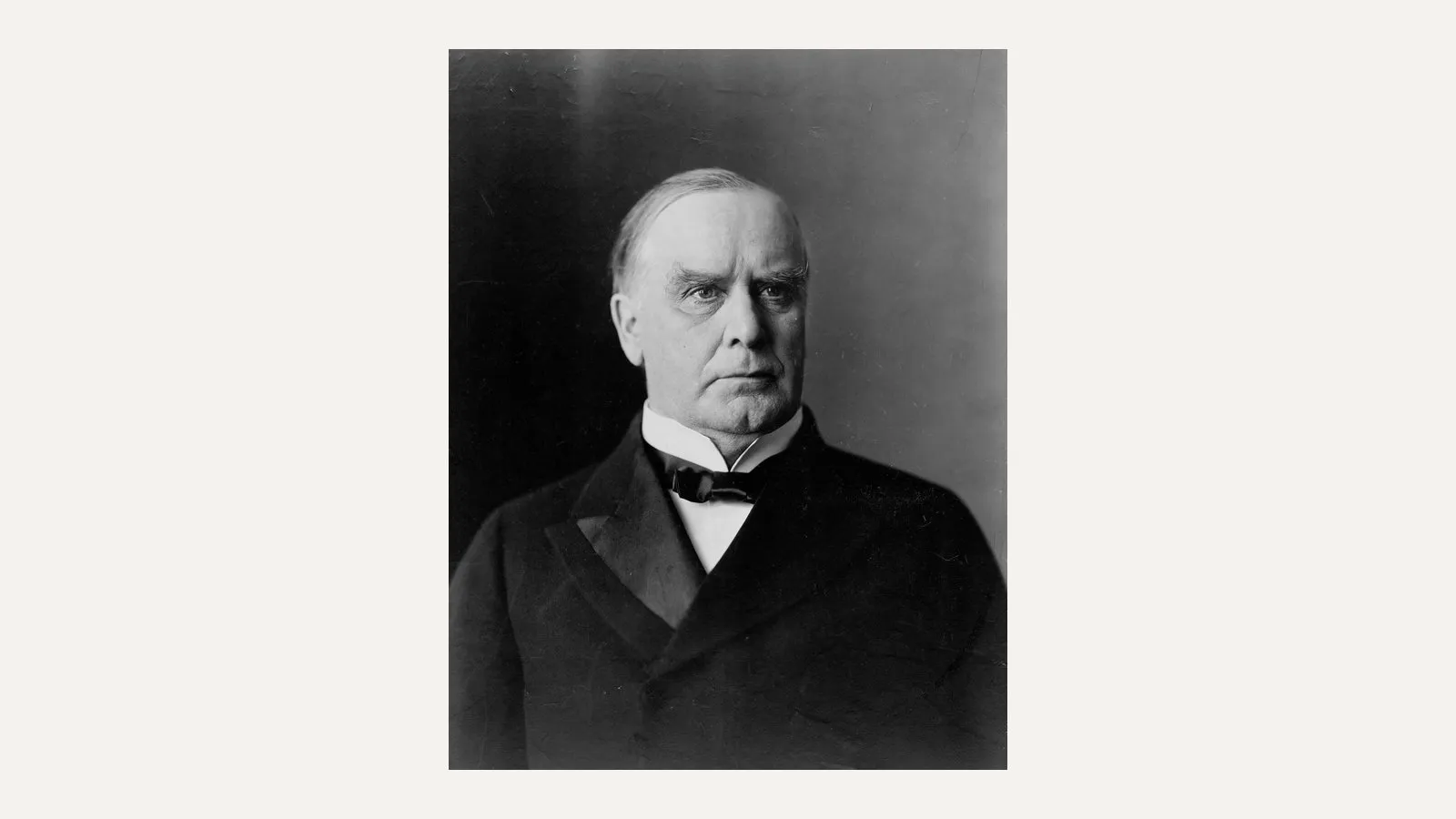
Term in office: 04. March 1897 - 14. September 1901
Party: Republican
Elections: 1896; 1900
Vice President: Garret Hobart (1897-1899); Theodore Roosevelt (1901)
Fun Fact: William McKinley owned a yellow-headed Amazon parrot named Washington Post. Washington Post held the official position of White House Greeter. It also knew the song “Yankee Doodle Dandy,” and when the president whistled the first notes, it would finish it.
Timeline: 1901 to today
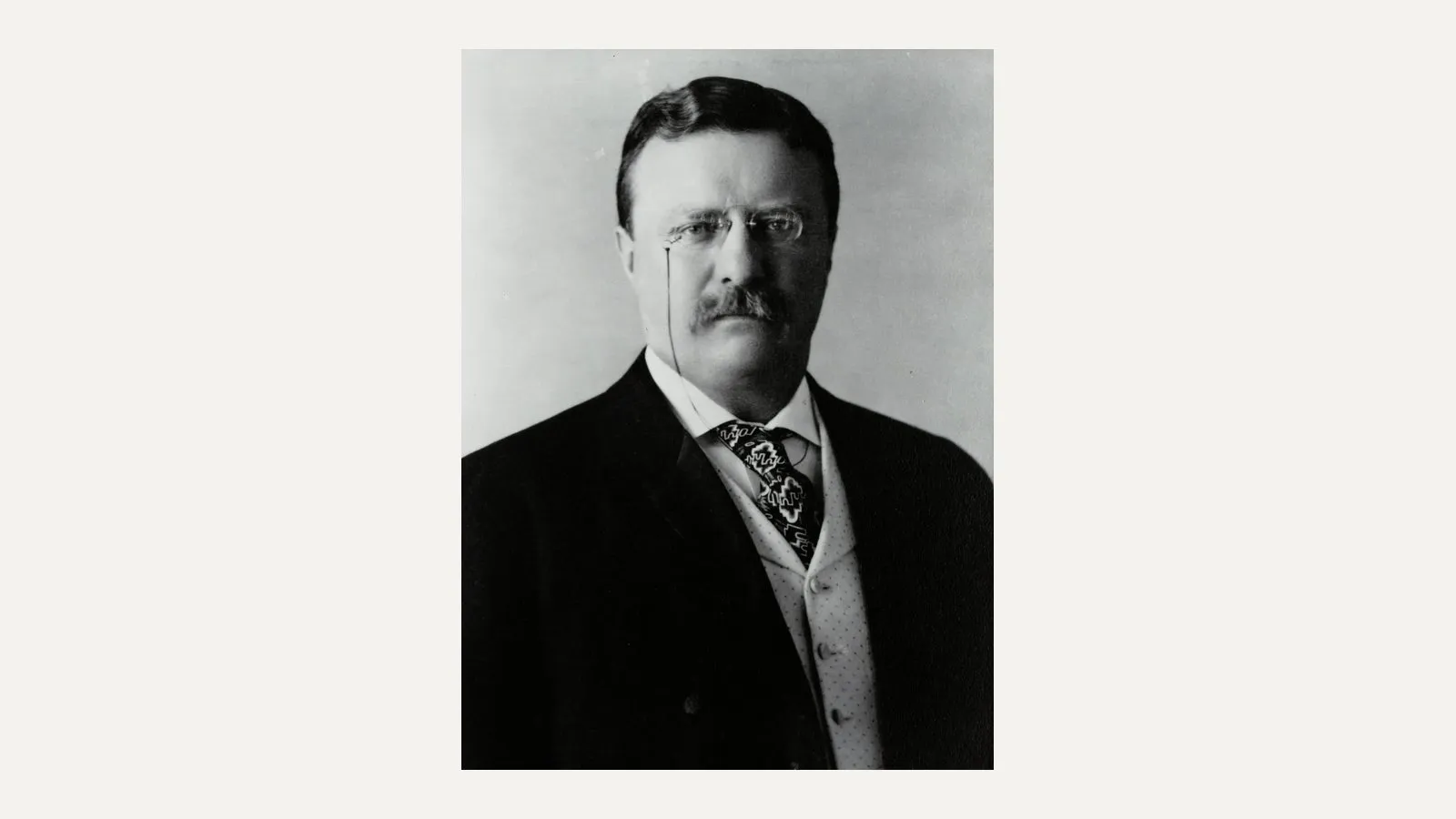
Term in office: 14. September 1901 - 04. March 1909
Party: Republican
Elections: 1900 (als Vizepräsident); 1904
Vice President: Keiner; Charles W. Fairbanks (1905-1909)
Fun Fact: Theodore Roosevelt was the first president to take a foreign trip during his term in office. In 1906 he traveled to Panama.
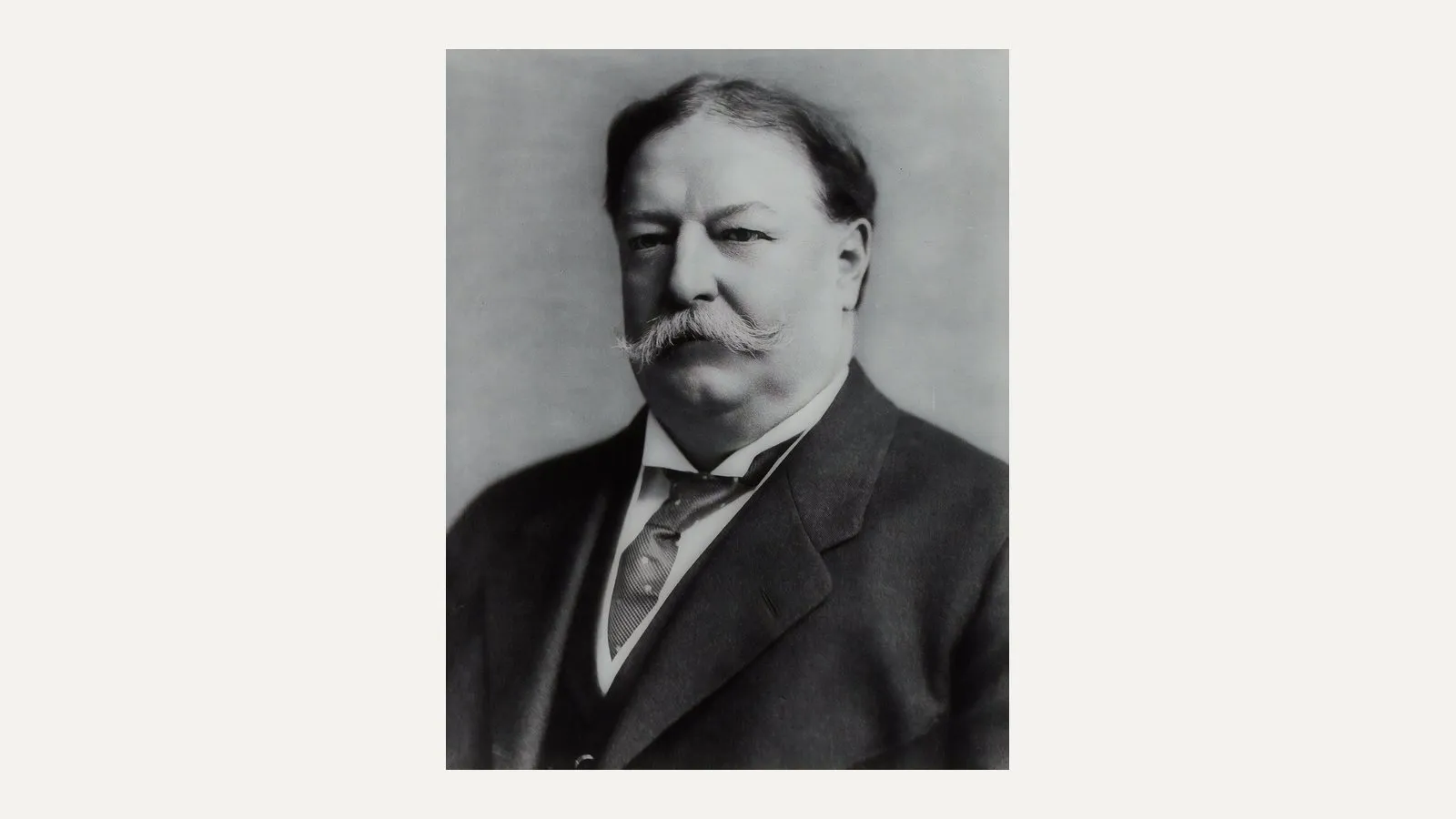
Term in office: 04. March 1909 - 04. March 1913
Party: Republican
Elections: 1908
Vice President: James S. Sherman (1909-1912)
Fun Fact: As Chief Justice, William Howard Taft administered the oath of office to two of his successors, Calvin Coolidge and Herbert Hoover.
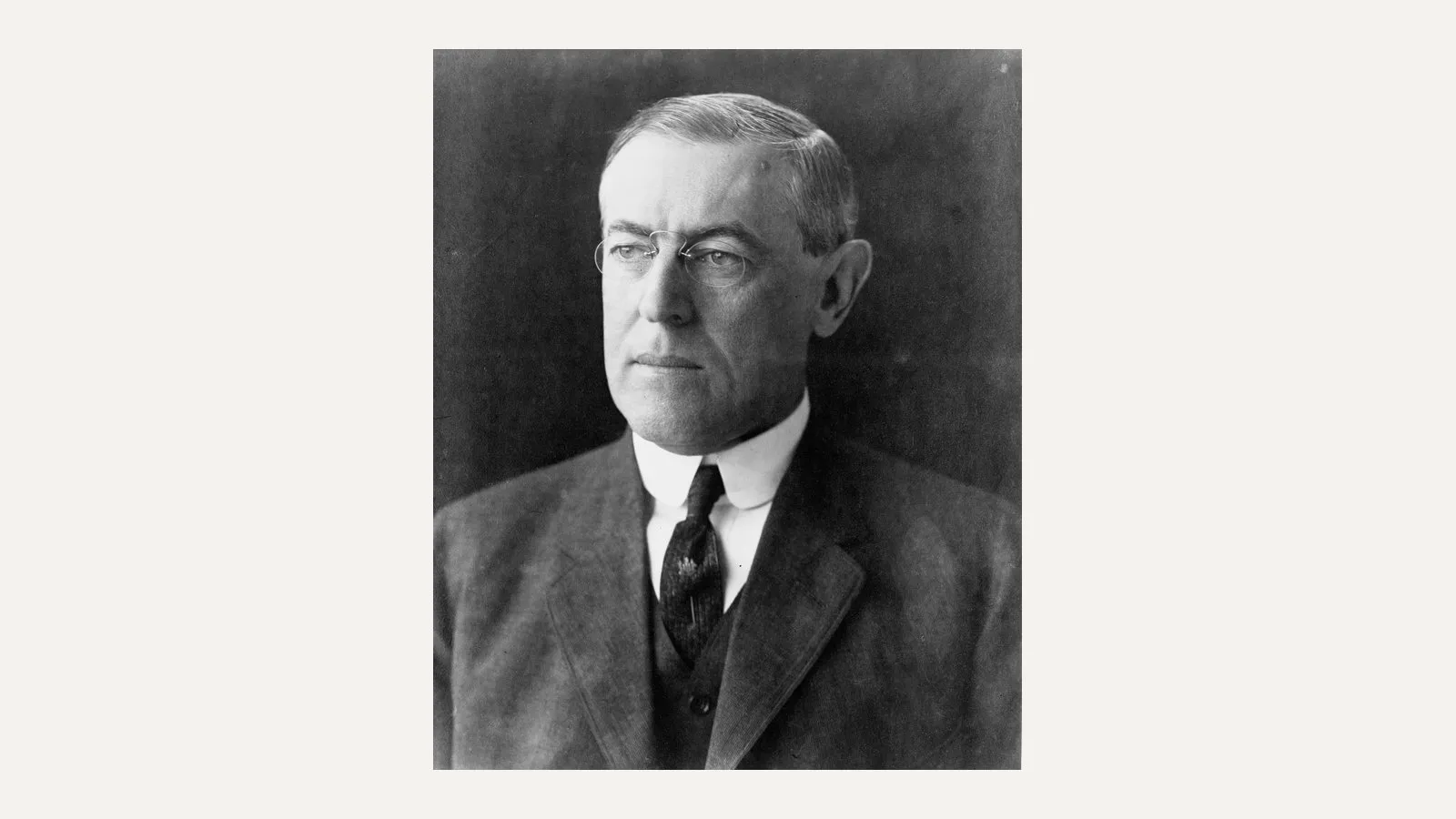
Term in office: 04. March 1913 - 04. March 1921
Party: Democrat
Elections: 1912; 1916
Vice President: Thomas R. Marshall
Fun Fact: Woodrow Wilson is the last president to ride to his inauguration in a horse-drawn carriage.
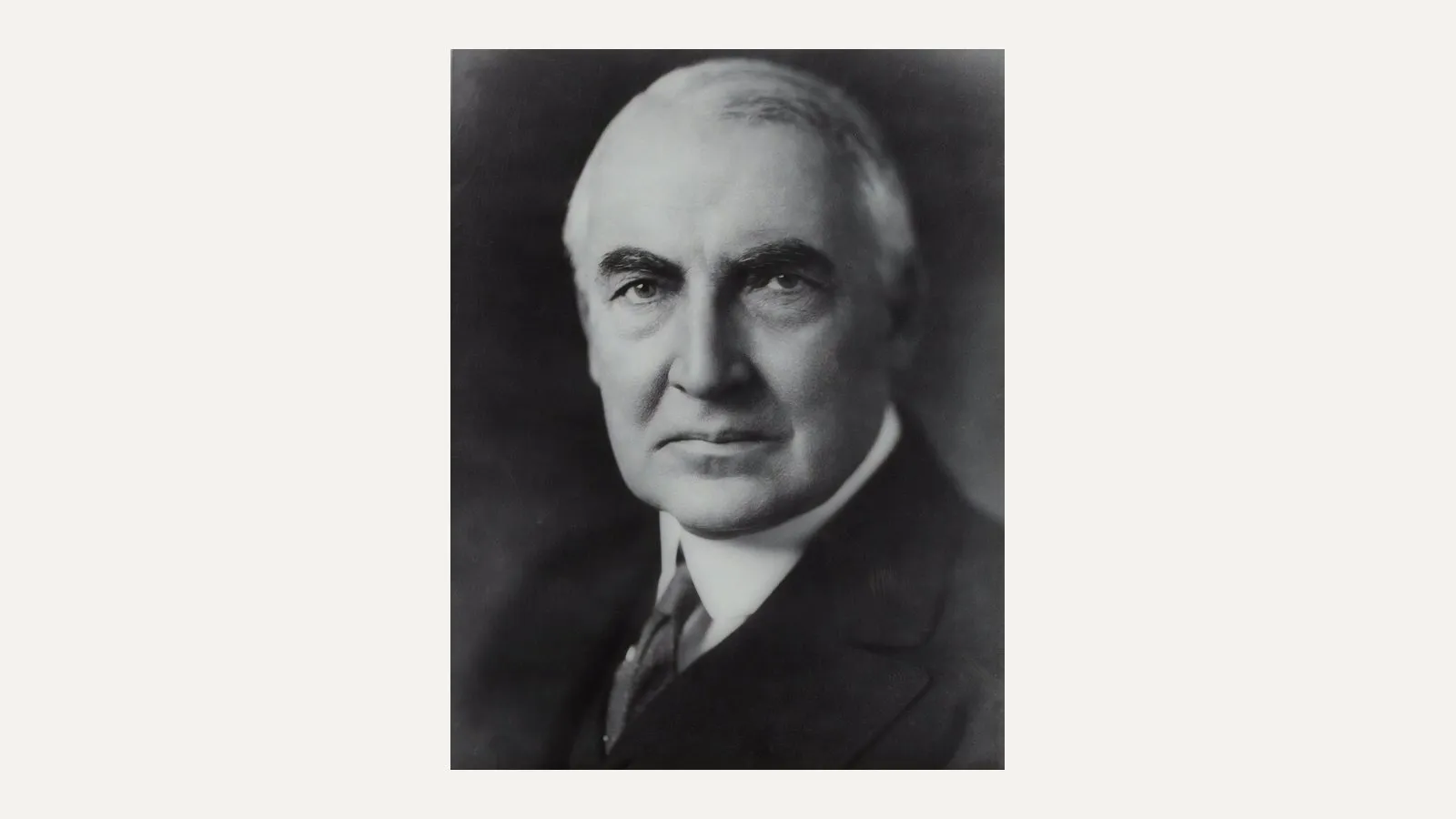
Term in office: 04. March 1921 - 02. August 1923
Party: Republican
Elections: 1920
Vice President: Calvin Coolidge
Fun Fact: Warren G. Harding advocated for the fair treatment of African Americans. He spoke out against lynching and ordered the desegregation of the White House and Washington, D.C.
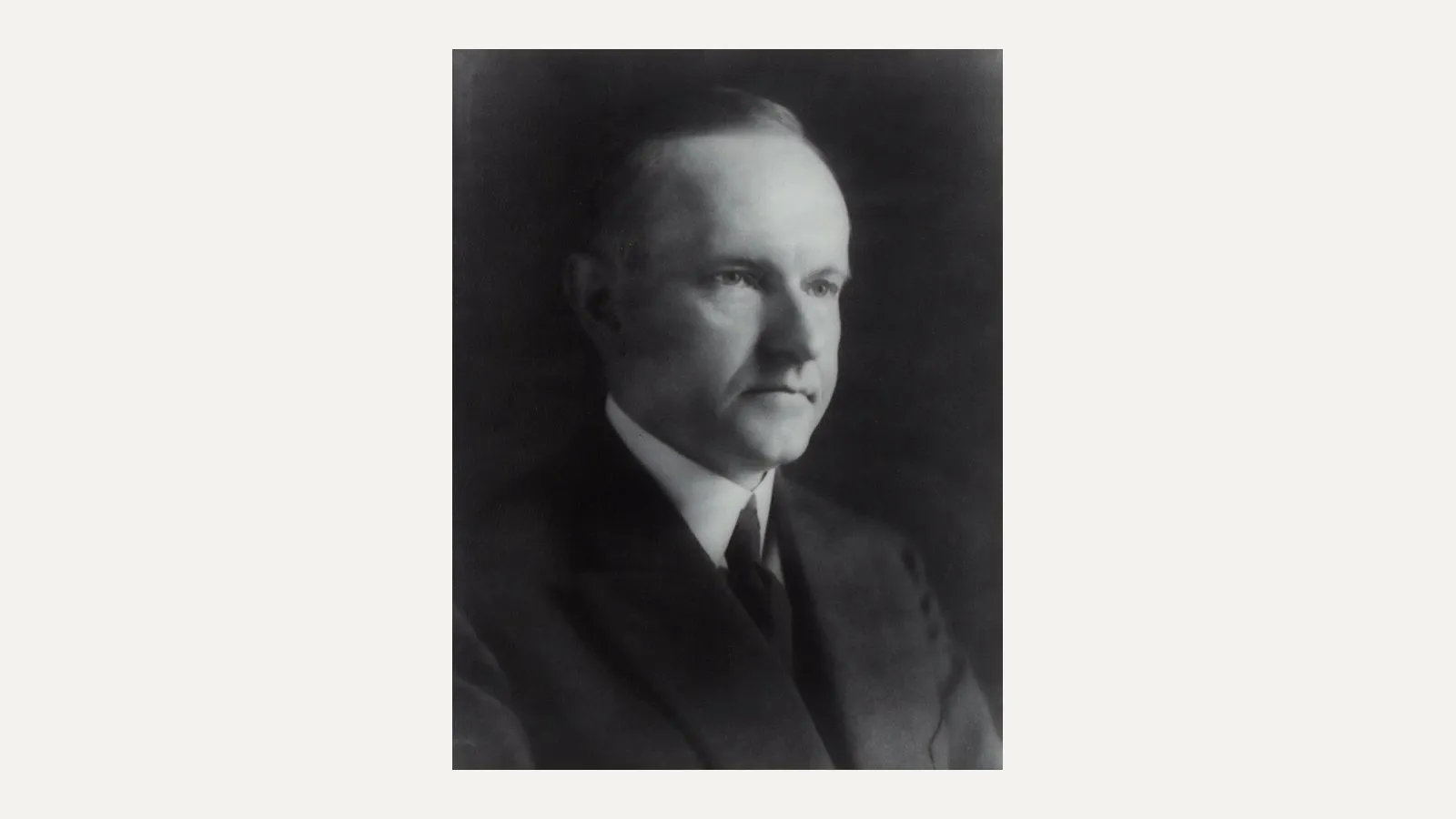
Term in office: 02. August 1923 - 04. March 1929
Party: Republican
Elections: 1920 (als Vizepräsident); 1924
Vice President: Keiner; Charles G. Dawes (1925-1929)
Fun Fact: Three presidents (Adams, Jefferson, Monroe) died on 4 July, Independence Day. Calvin Coolidge is the only president born on that date.
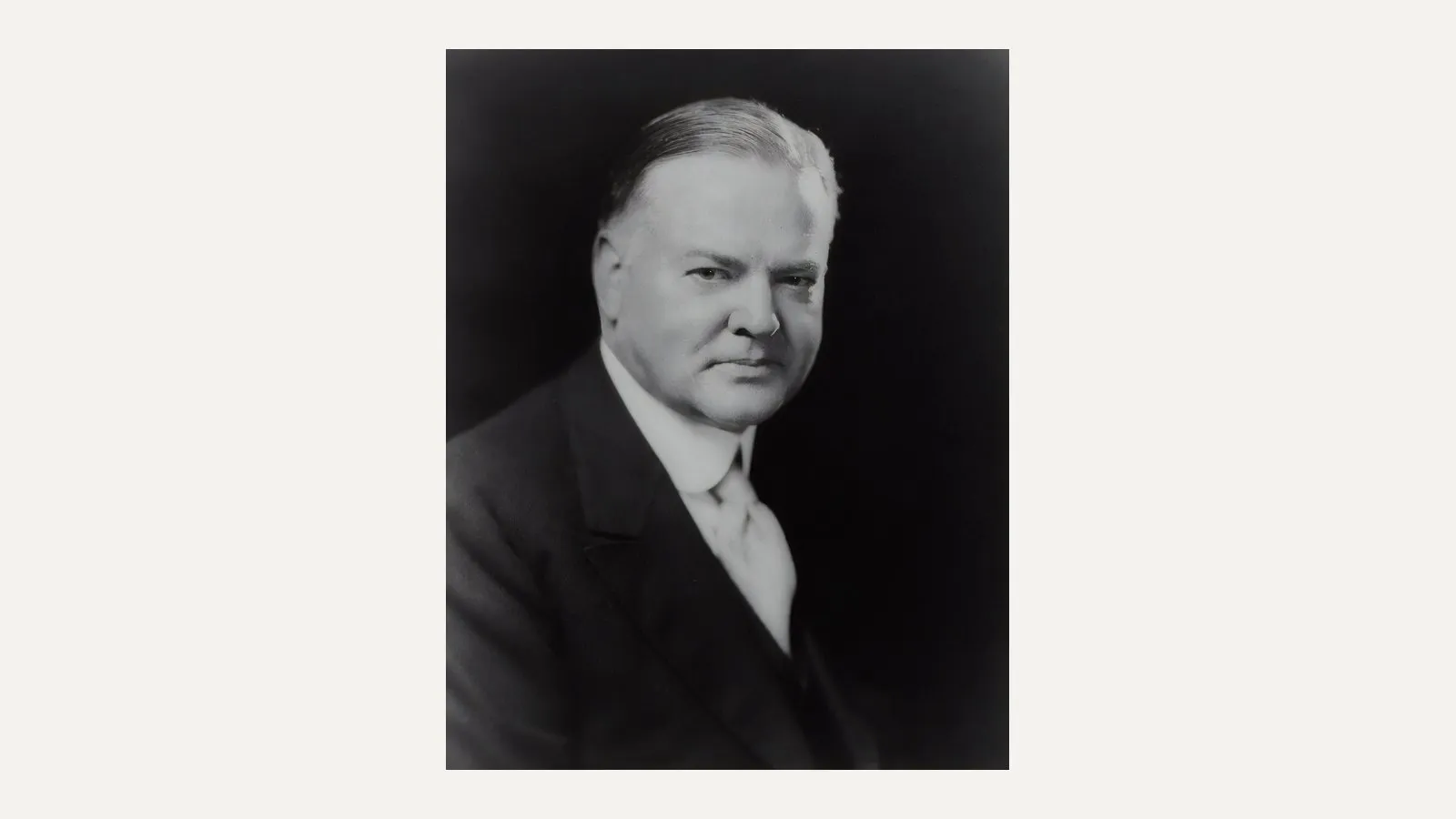
Term in office: 04. March 1929 - 04. March 1933
Party: Republican
Elections: 1928
Vice President: Charles Curtis
Fun Fact: Herbert Hoover and his wife Lou spoke Chinese. Whenever they wanted to have a private conversation in the White House, they spoke it to each other.
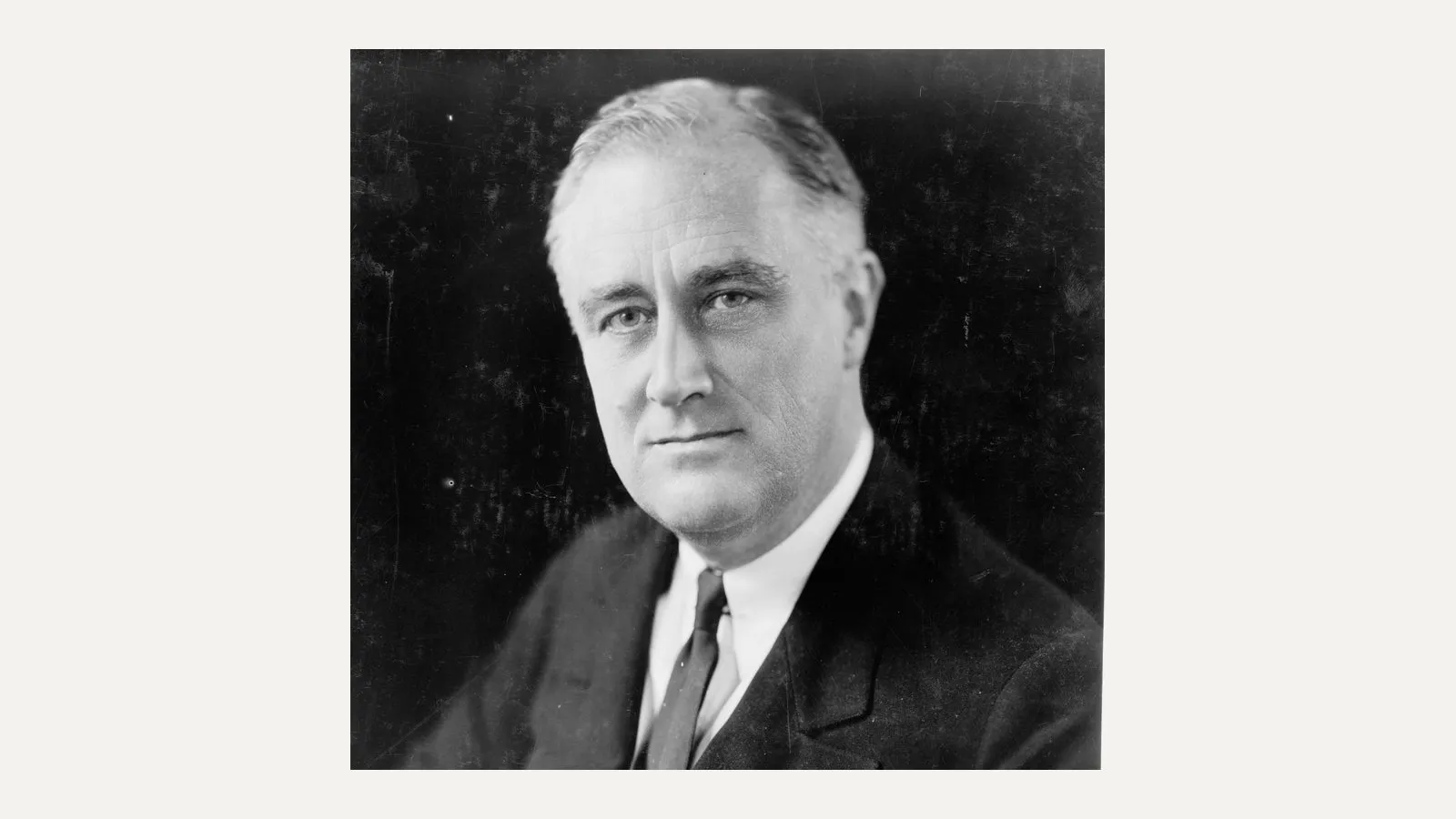
Term in office: 04. March 1933 - 12. April 1945
Party: Democrat
Elections: 1932; 1936; 1940; 1944
Vice President: John Nance Garner (1933-1941); Henry A. Wallace (1941-1945); Harry S. Truman (1945)
Fun Fact: Franklin D. Roosevelt married Eleanor Roosevelt on St. Patrick’s Day (17 March) 1905 in New York, because President Theodore Roosevelt was in the city for the parade. Theodore Roosevelt had promised to give his niece away. Franklin D. and Theodore are also fifth cousins.
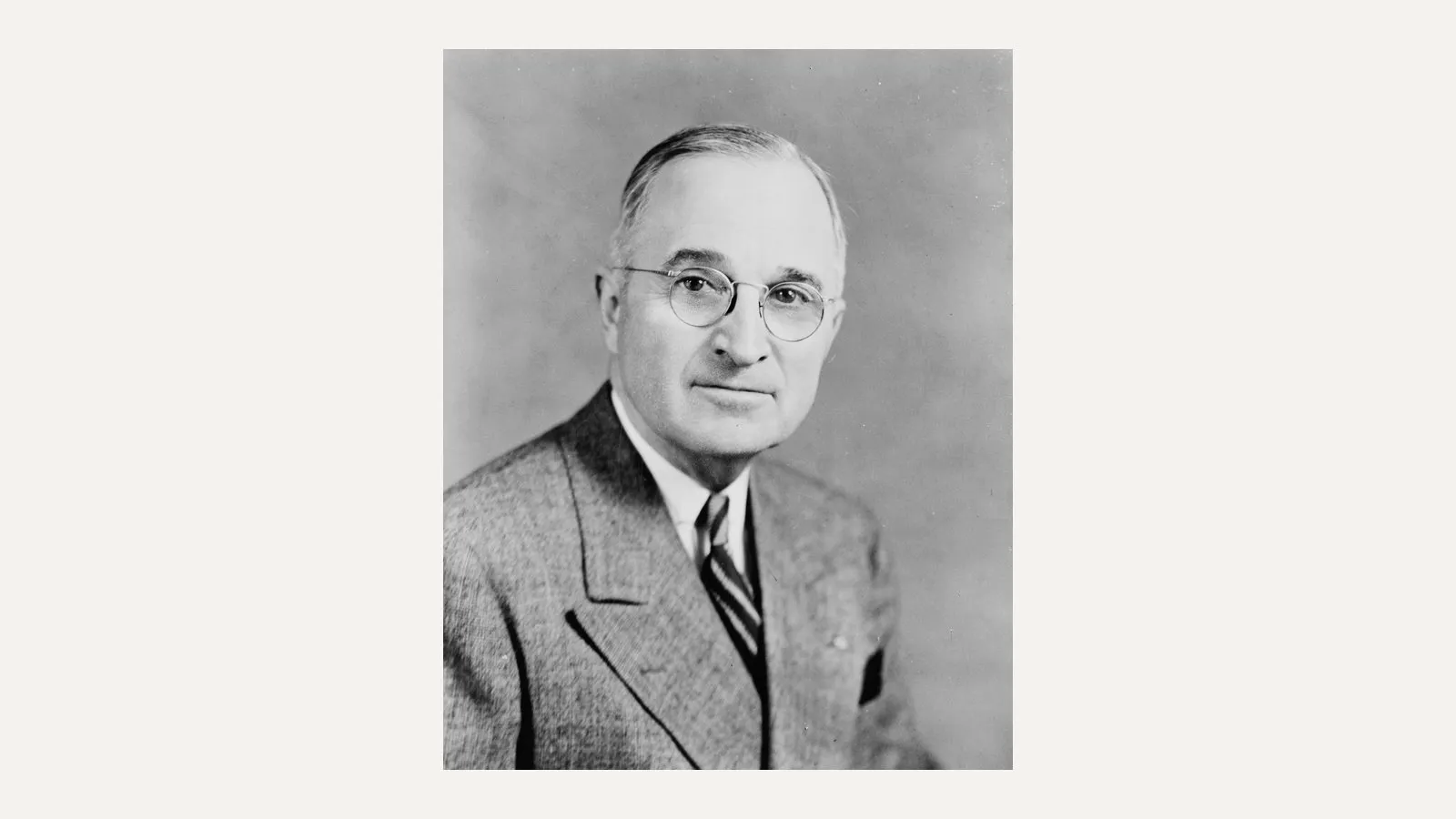
Term in office: 12. April 1945 - 20. January 1953
Party: Democrat
Elections: 1944 (als Vizepräsident); 1948
Vice President: Keiner; Alben W. Barkley (1949-1953)
Fun Fact: A well-known quote of his is: “If you can’t convince them, confuse them.”
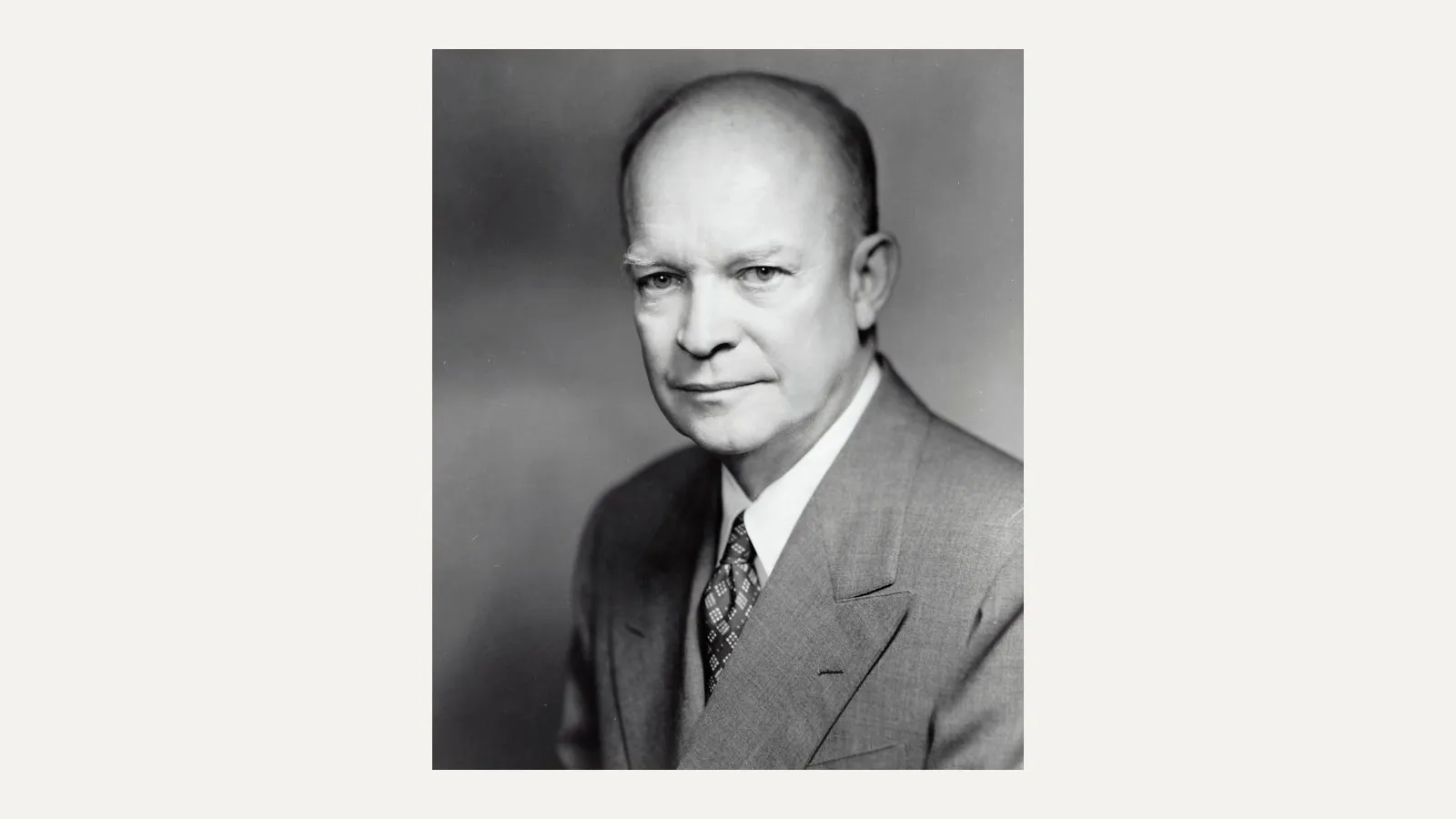
Term in office: 20. January 1953 - 20. January 1961
Party: Republican
Elections: 1952; 1956
Vice President: Richard Nixon
Fun Fact: Camp David, the retreat of the sitting president, is named after Dwight D. Eisenhower’s grandson, David.
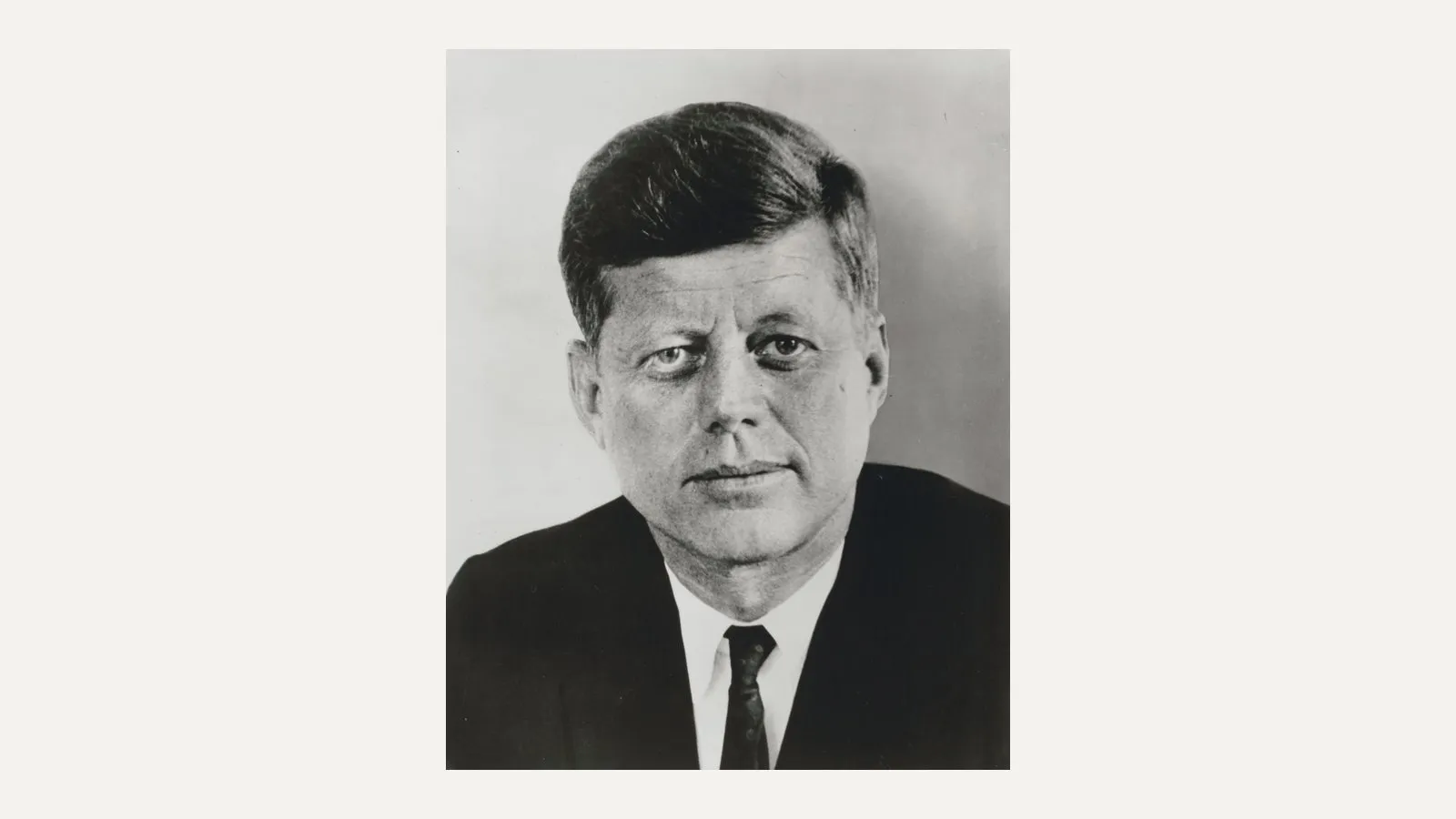
Term in office: 20. January 1961 - 22. November 1963
Party: Democrat
Elections: 1960
Vice President: Lyndon B. Johnson
Fun Fact: John F. Kennedy donated his entire salary of $100,000 to charity.
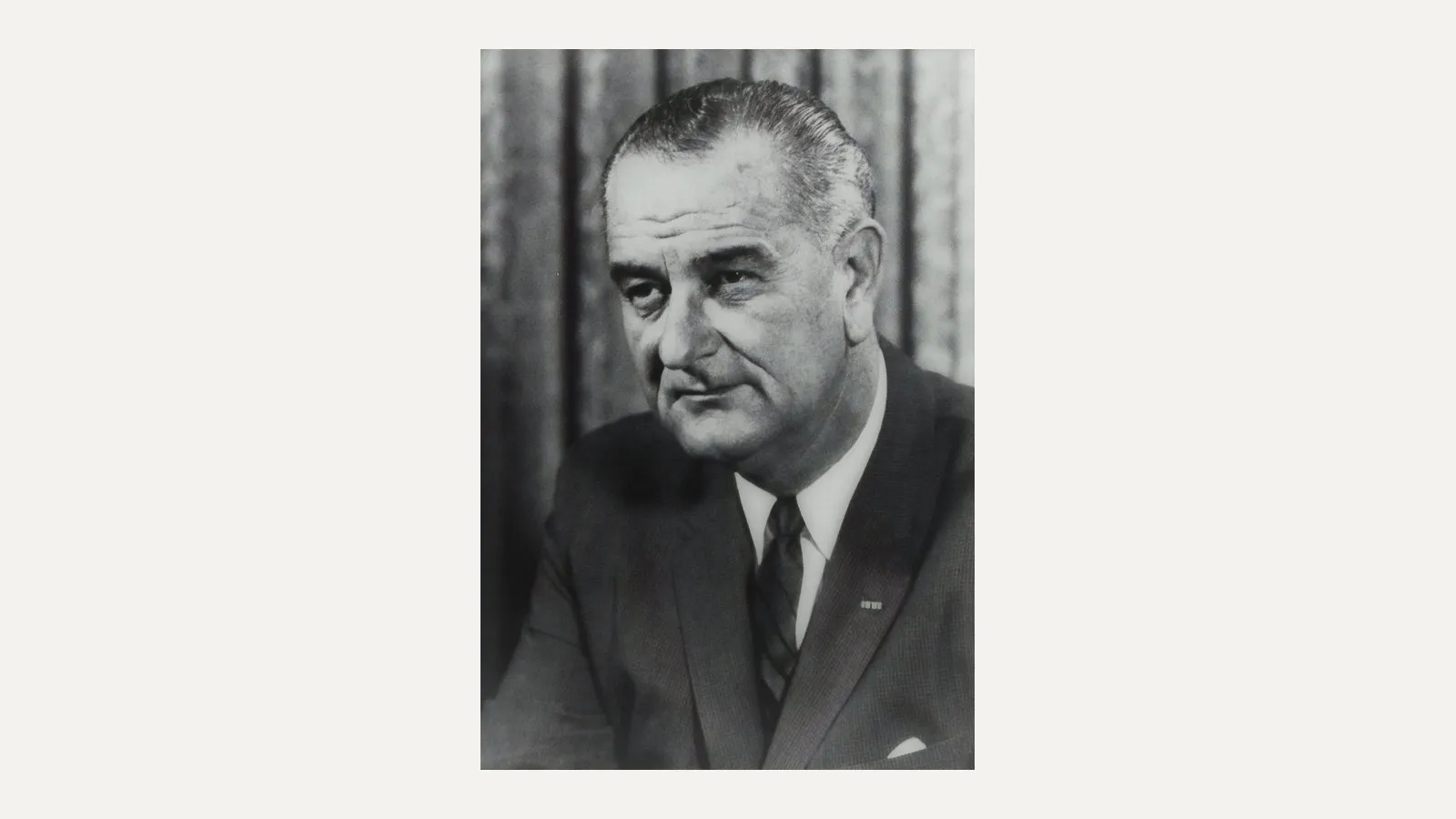
Term in office: 22. November 1963 - 20. January 1969
Party: Democrat
Elections: 1960 (als Vizepräsident); 1964
Vice President: Keiner; Hubert Humphrey (1965-1969)
Fun Fact: Lyndon B. Johnson nearly lost his life in World War II. He had to use the restroom one more time before departure, left the plane he was supposed to fly on, and on his return boarded a different one. The first was shot down in combat, but the second remained undamaged.
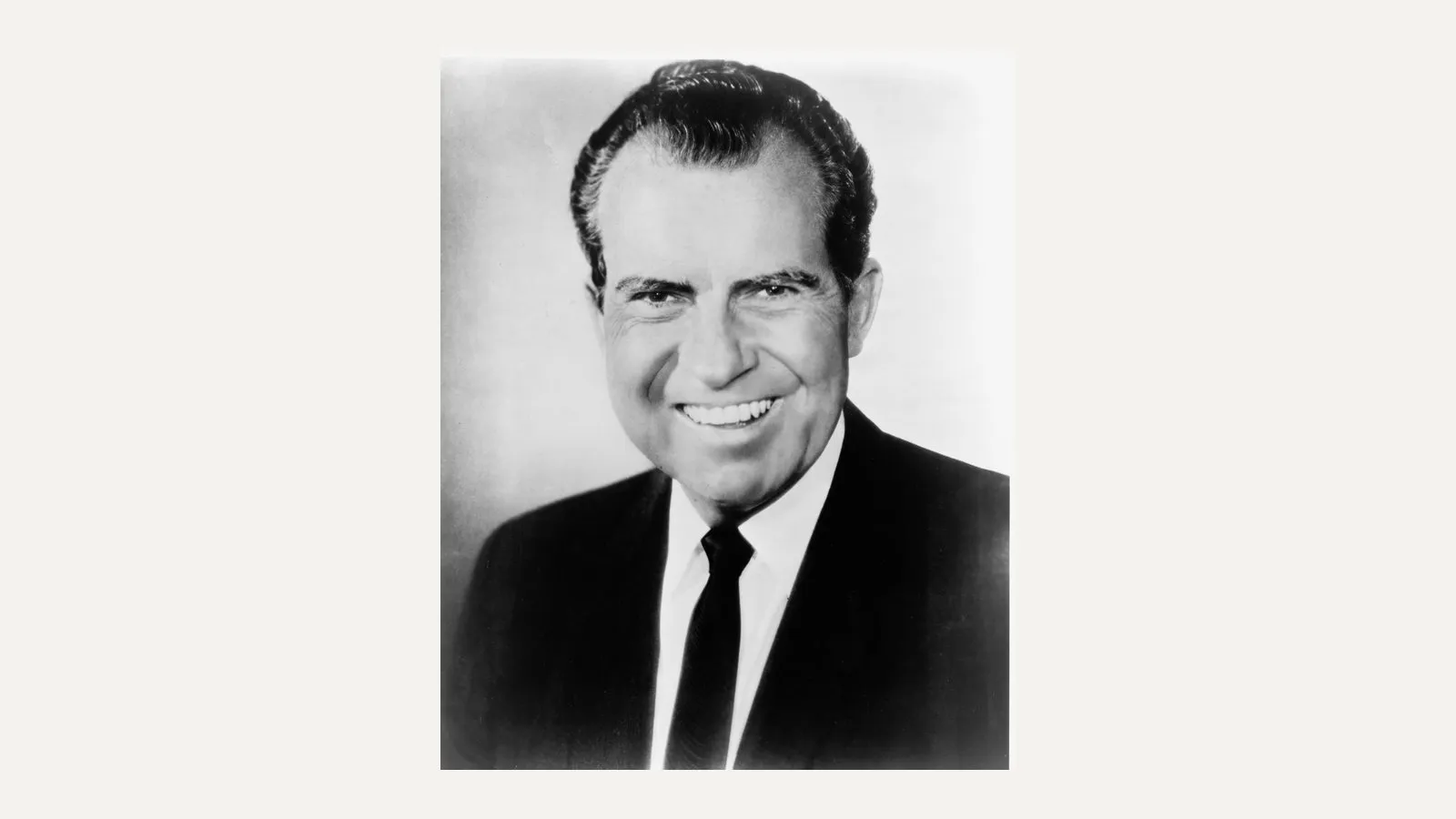
Term in office: 20. January 1969 - 09. August 1974
Party: Republican
Elections: 1968; 1972
Vice President: Spiro Agnew (1969-1973); Keiner (Okt.-Dez. 1973); Gerald Ford (1973-1974)
Fun Fact: Richard Nixon nearly became an FBI agent in the 1930s. He had applied but never heard back. He had in fact been accepted, but his position fell victim to budget cuts.
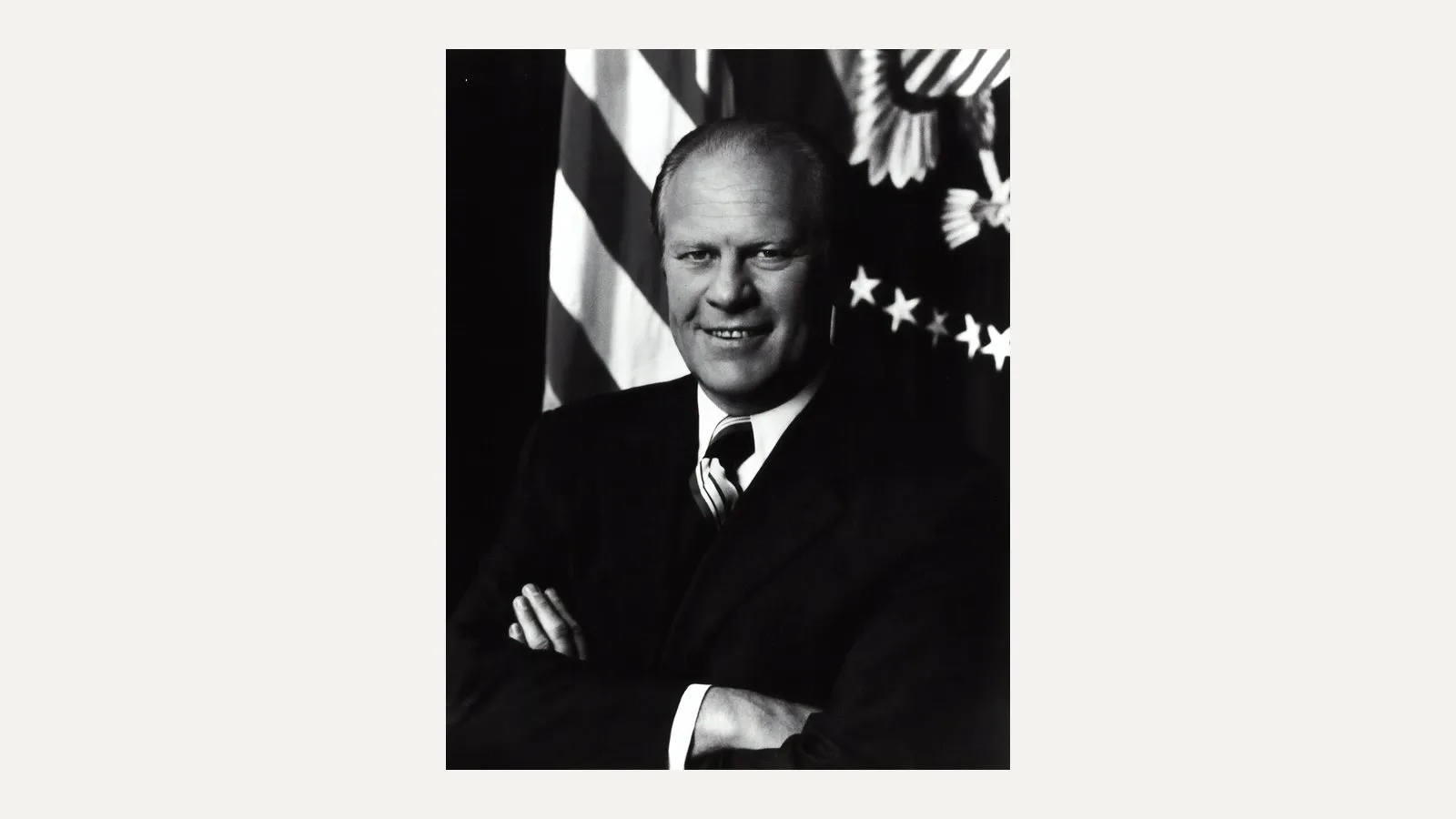
Term in office: 09. August 1974 - 20. January 1977
Party: Republican
Elections: 1972 (als Vizepräsident)
Vice President: Keiner (bis Dez. 1974); Nelson Rockefeller
Fun Fact: Gerald Ford is the only politician to hold both the office of president and vice president without being elected to either office.
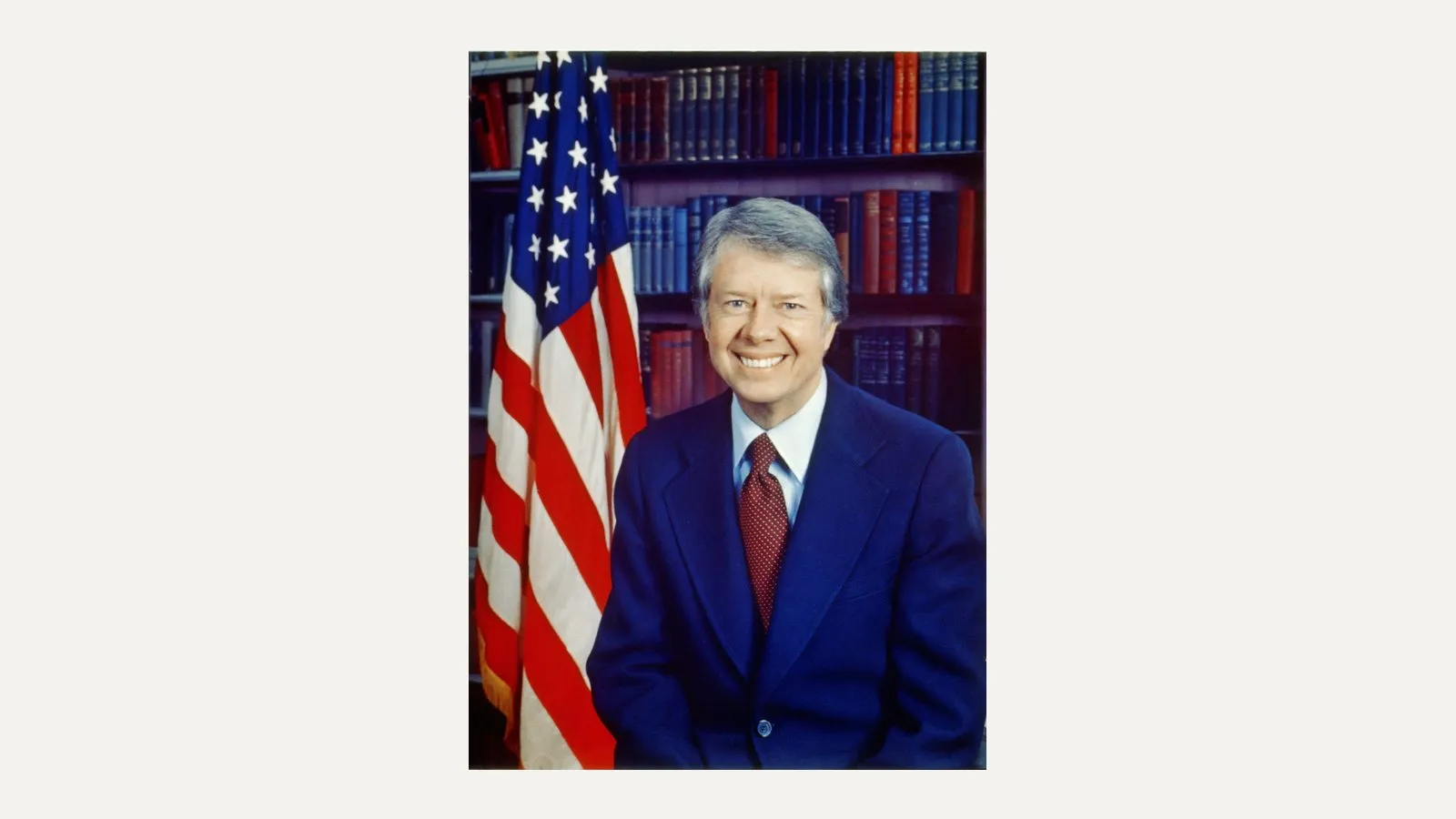
Term in office: 20. January 1977 - 20. January 1981
Party: Democrat
Elections: 1976
Vice President: Walter Mondale
Fun Fact: Jimmy Carter had solar panels installed on the roof of the White House in 1979. They were removed again during a roof renovation in 1986.
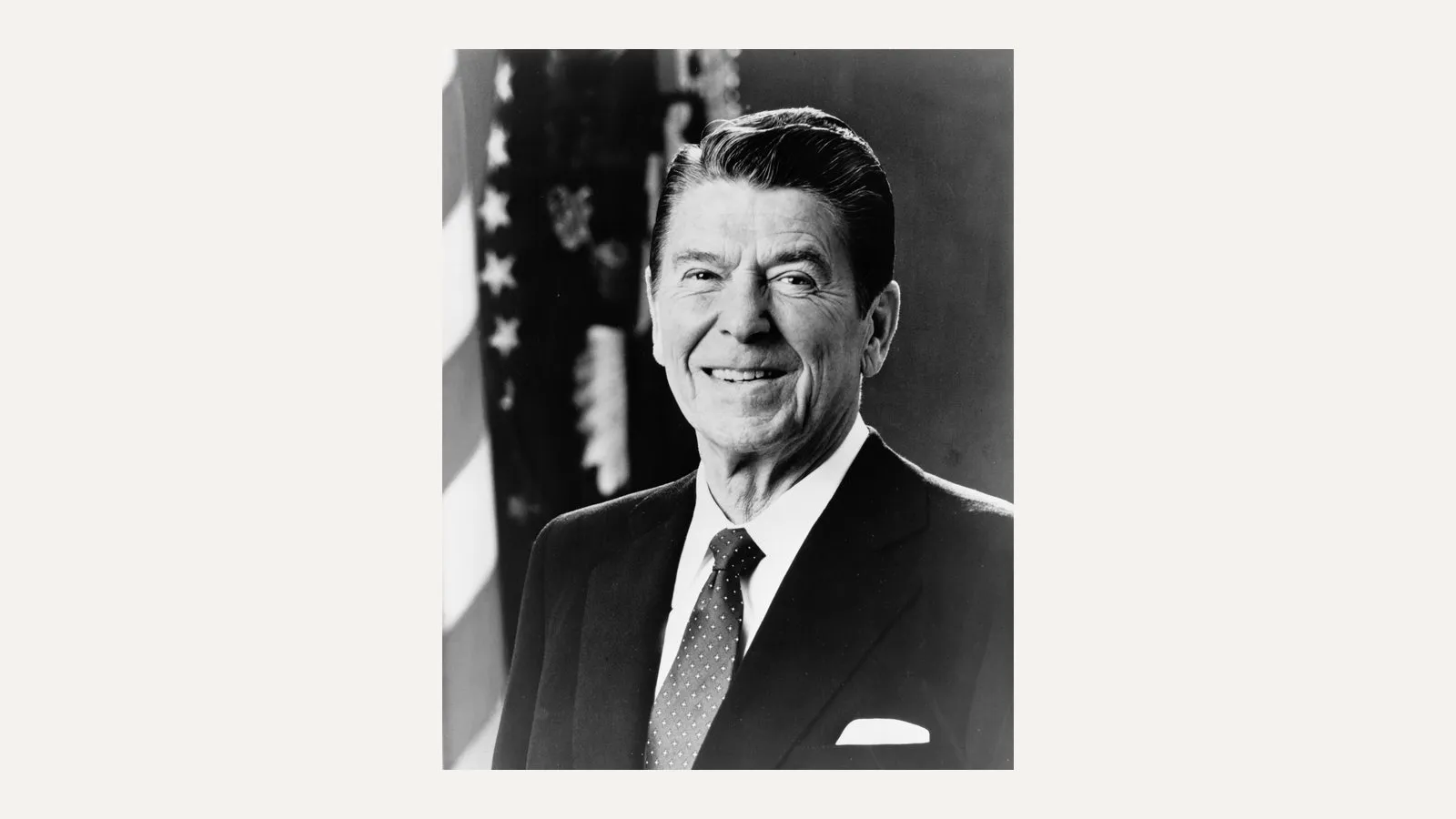
Term in office: 20. January 1981 - 20. January 1989
Party: Republican
Elections: 1980; 1984
Vice President: George H. W. Bush
Fun Fact: Ronald Reagan loved jelly beans. His favorite flavor was licorice.
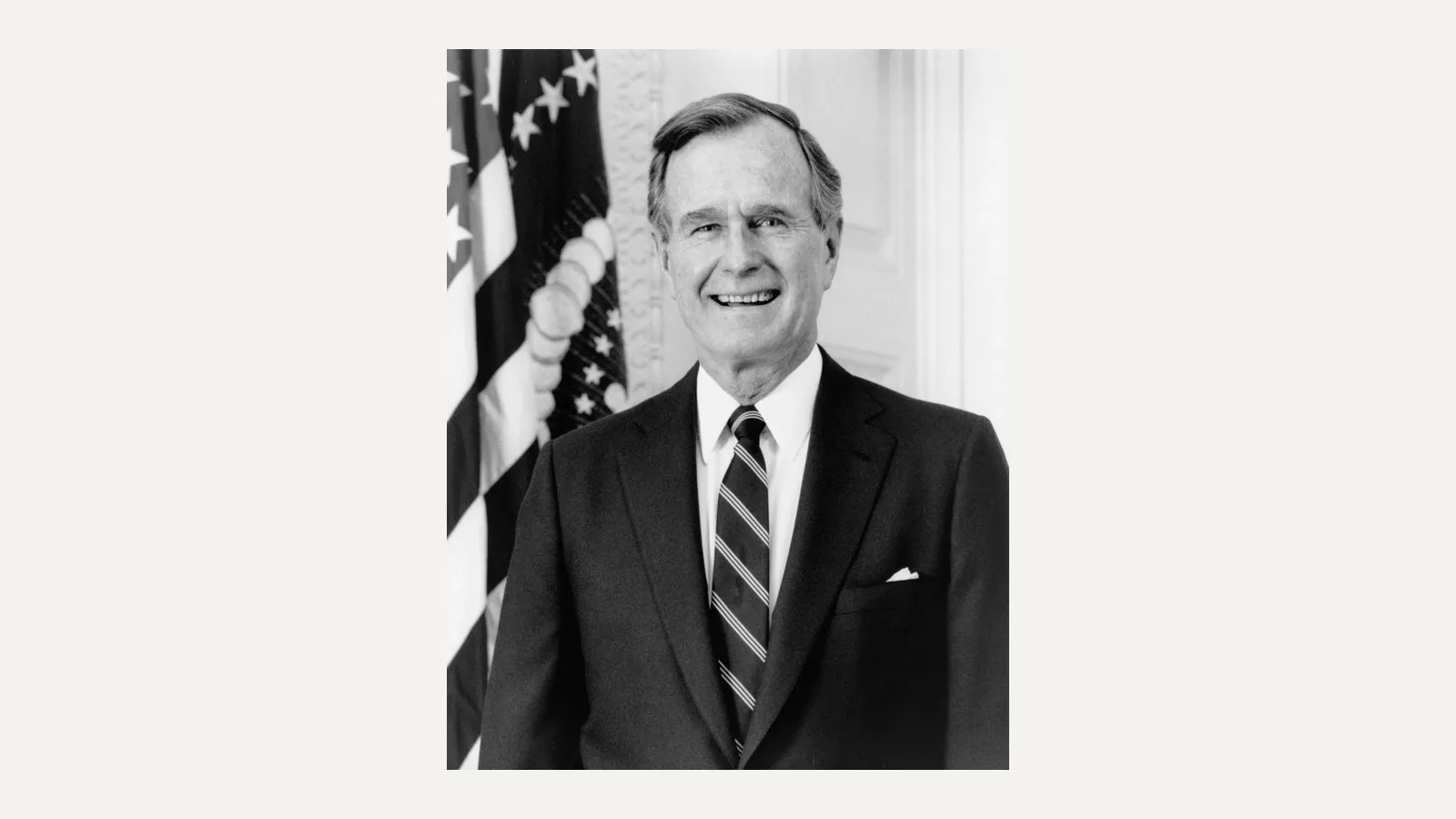
Term in office: 20. January 1989 - 20. January 1993
Party: Republican
Elections: 1988
Vice President: Dan Quayle
Fun Fact: George H. W. Bush celebrated his 75th, 80th, 85th and 90th birthdays with a parachute jump.
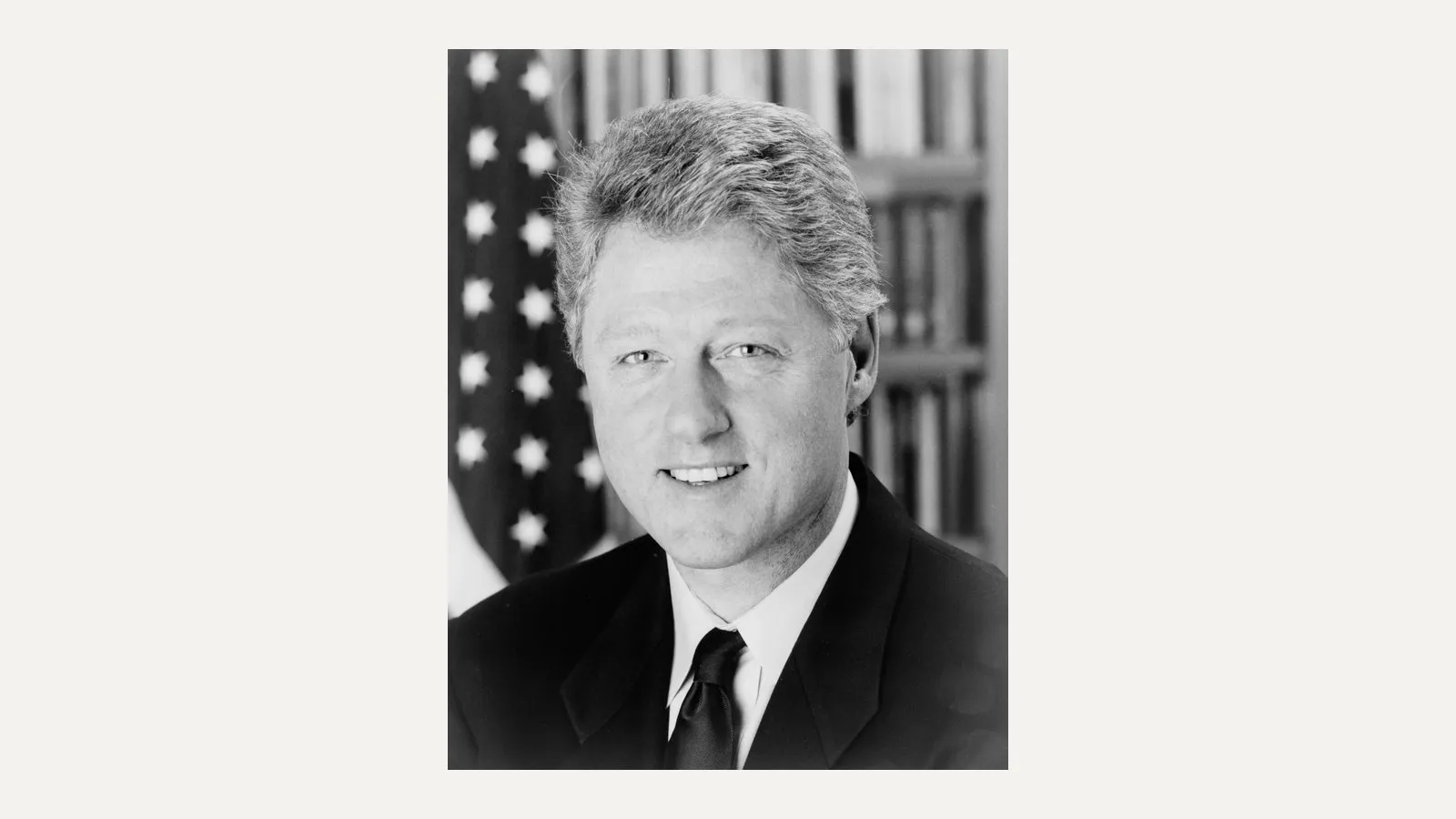
Term in office: 20. January 1993 - 20. January 2001
Party: Democrat
Elections: 1992; 1996
Vice President: Al Gore
Fun Fact: Bill Clinton co-wrote the novel “The President is Missing” with James Patterson. They later worked on a second novel titled “The President’s Daughter.”
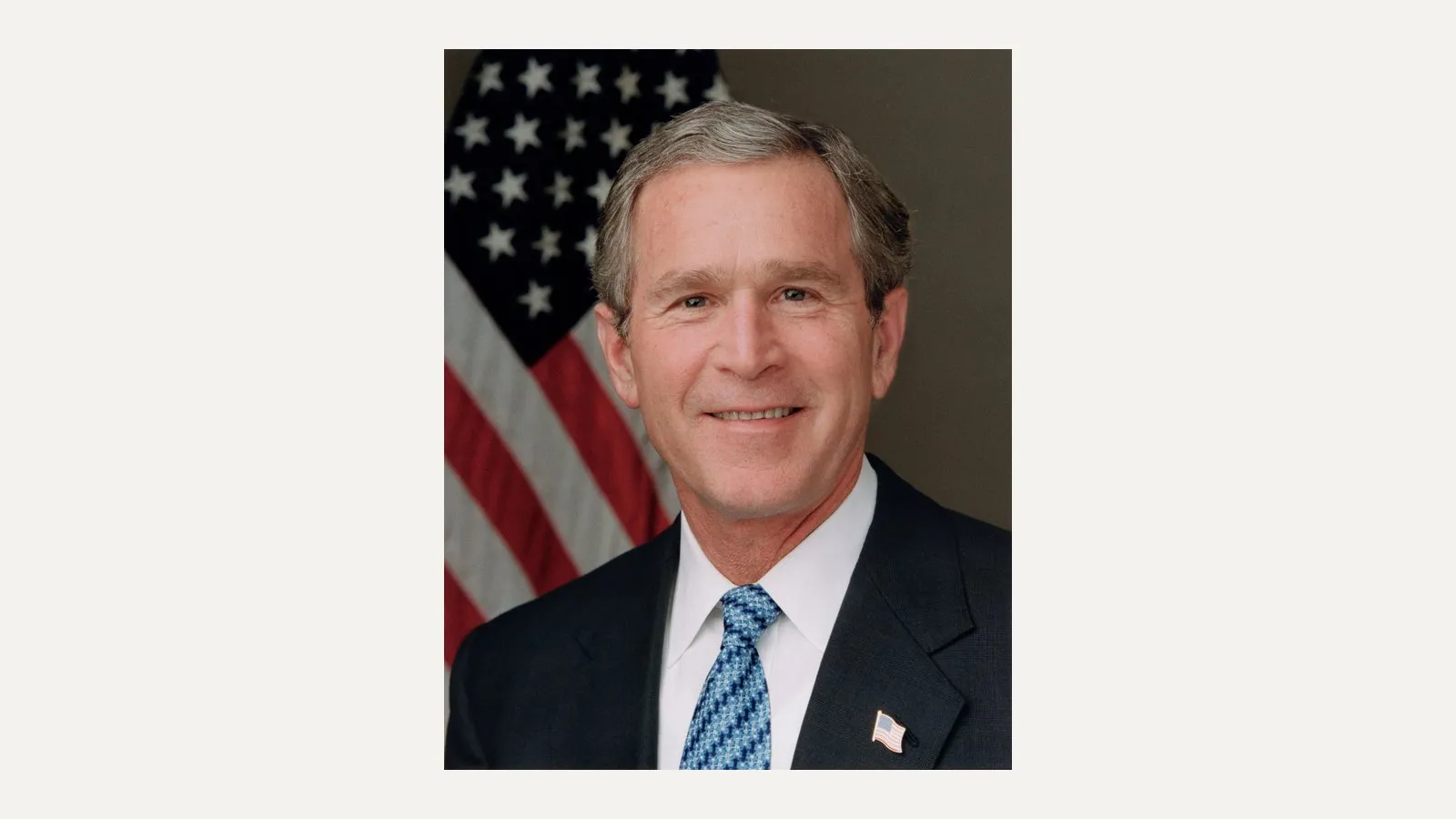
Term in office: 20. January 2001 - 20. January 2009
Party: Republican
Elections: 2000; 2004
Vice President: Dick Cheney
Fun Fact: Vermont is the only state George W. Bush did not visit during his term in office.
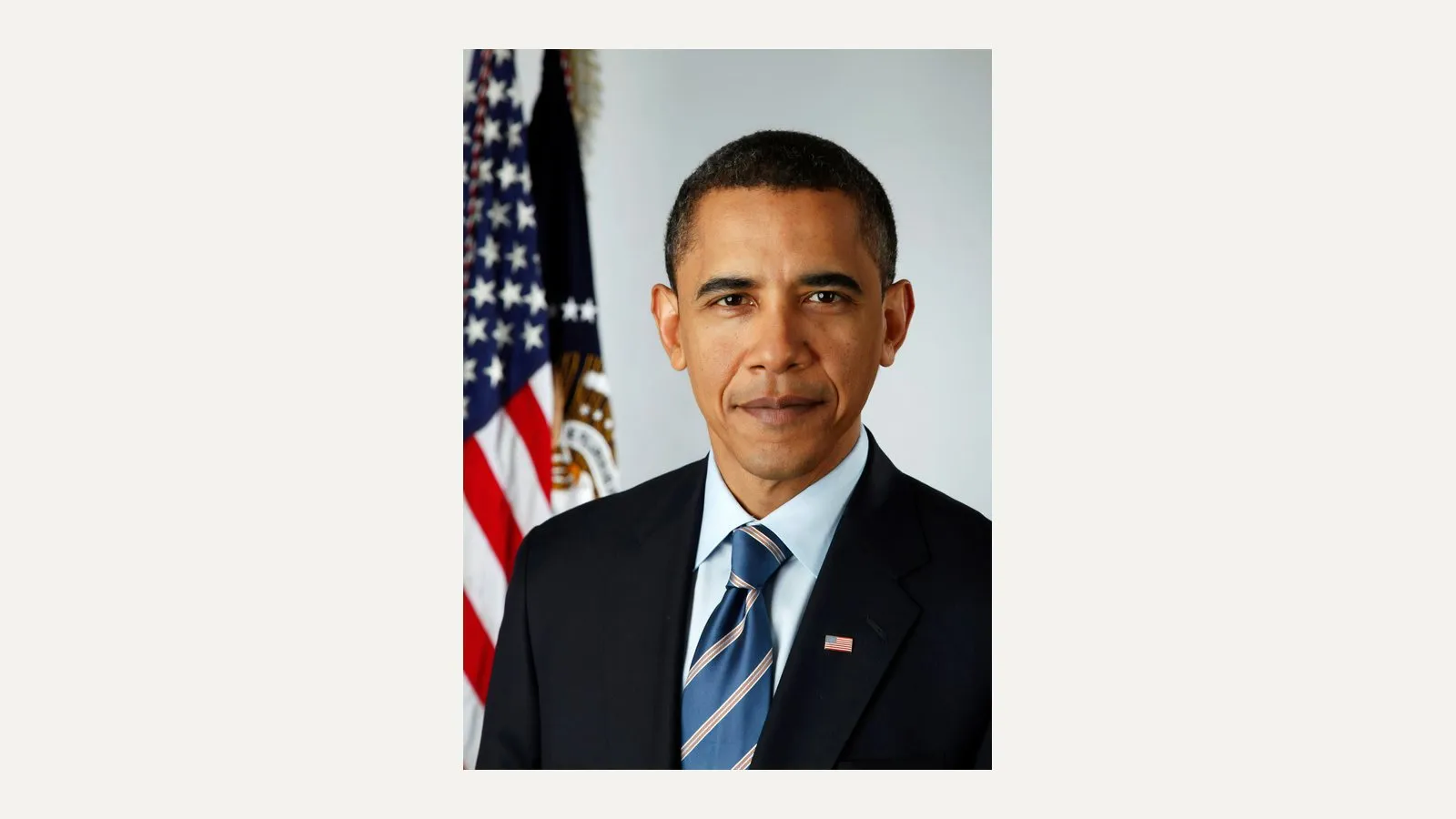
Term in office: 20. January 2009 - 20. January 2017
Party: Democrat
Elections: 2008; 2012
Vice President: Joe Biden
Fun Fact: Barack Obama has disliked ice cream ever since his first part-time job at Baskin-Robbins.

Term in office: 20. January 2017 - 20. January 2021
Party: Republican
Elections: 2016
Vice President: Mike Pence
Fun Fact: Donald Trump owns and operates around 18 golf courses worldwide.
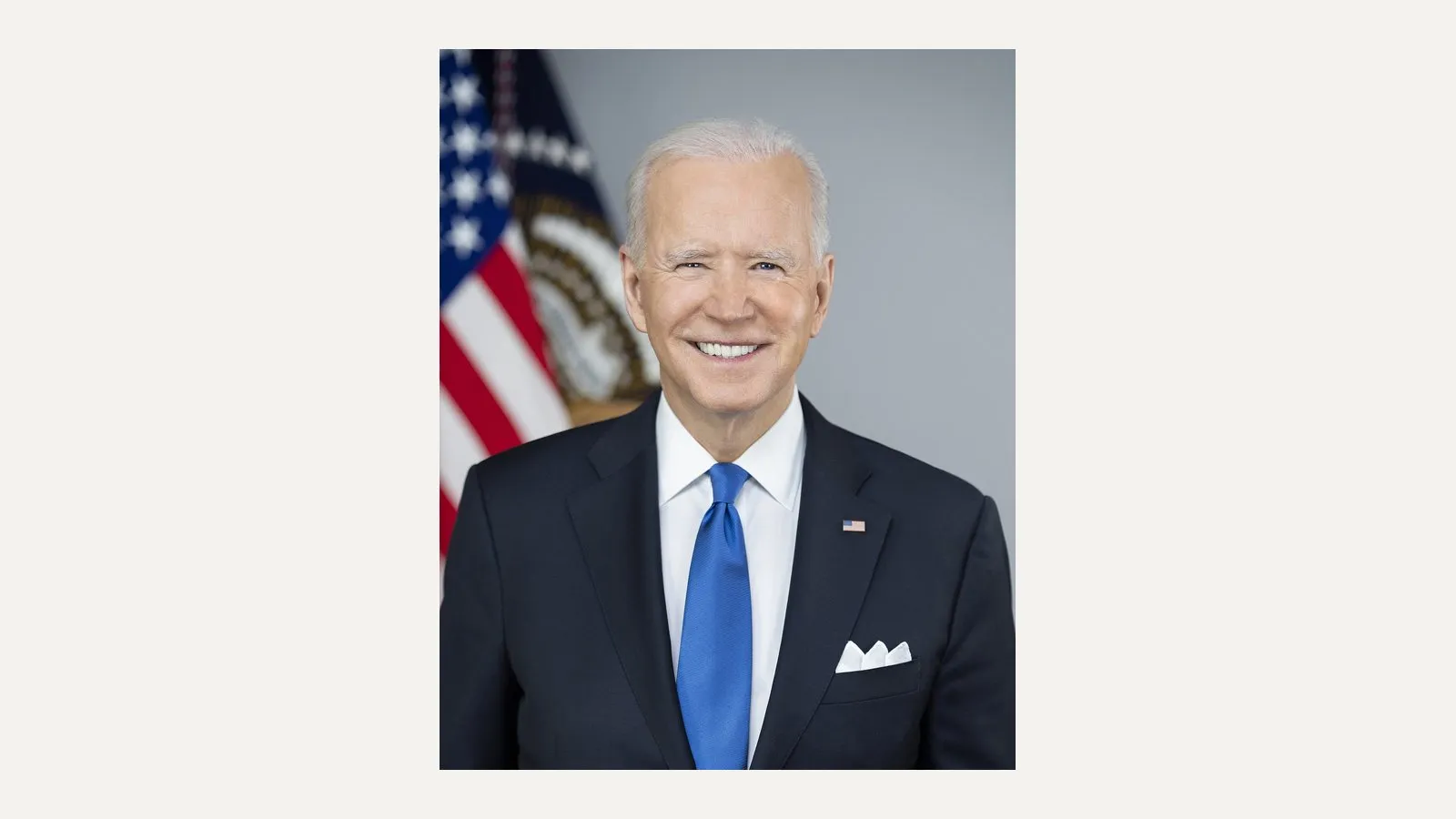
Term in office: 20. January 2021 - 20. January 2025
Party: Democrat
Elections: 2020
Vice President: Kamala Harris
Fun Fact: Joe Biden became president at the age of 78, making him the oldest in U.S. history.
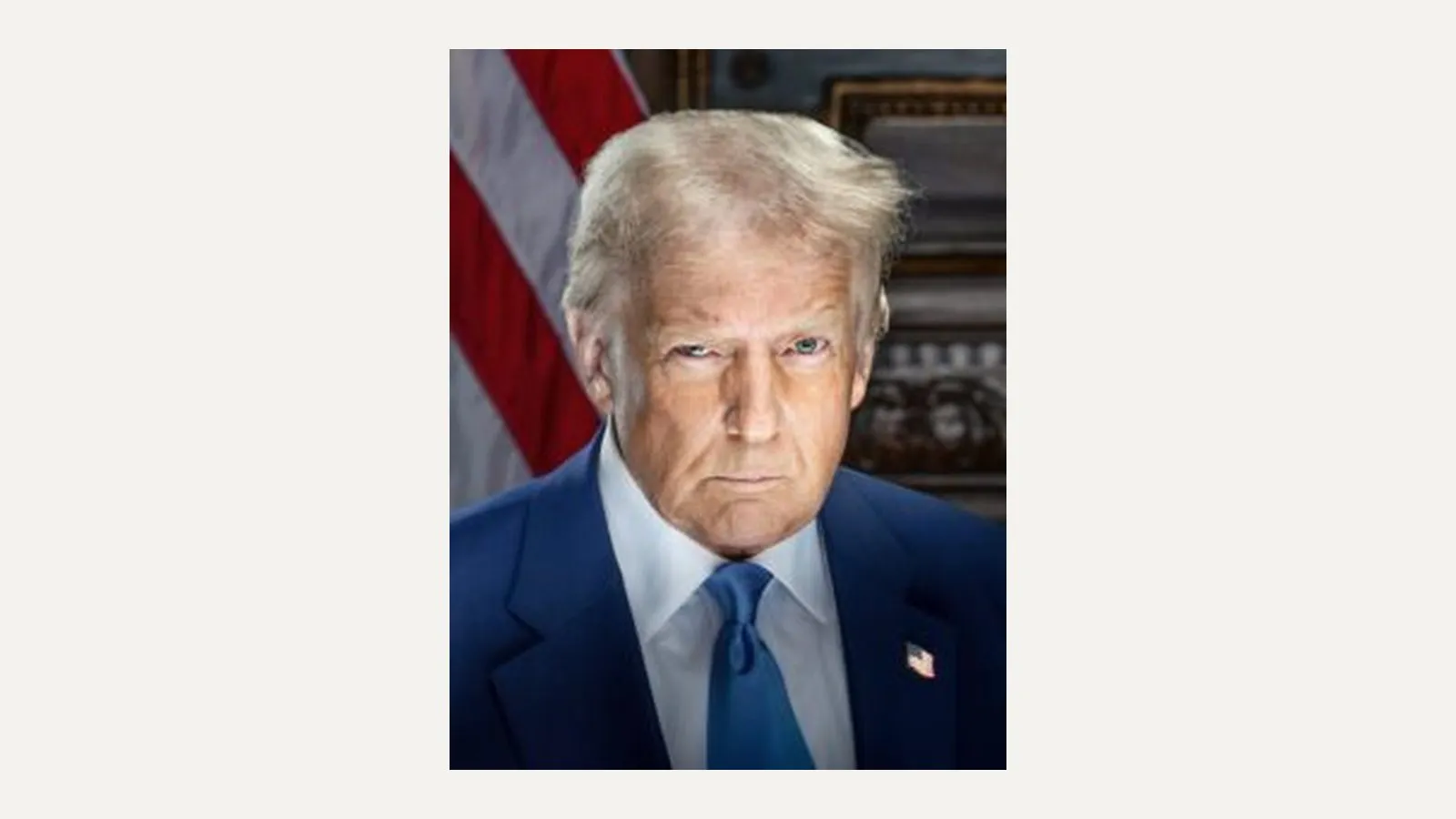
Term in office: 20. January 2025 -
Party: Republican
Elections: 2024
Vice President: JD Vance
Fun Fact: Donald Trump is the second U.S. president to serve non-consecutive terms. The first was Grover Cleveland, the 22nd president (1885–89) and 24th president (1893–97).
How a candidacy comes about
Before every presidential election, the parties decide who runs for them. There are two procedures for this: the primary and the caucus. Both take place in the individual states, and both lead to the same result – delegates who vote for a candidate at the party convention.
Primary
A preliminary election that resembles a regular one: the state organises it and voters cast a secret ballot for the person of their choice. Whoever receives a majority of the votes wins.
Caucus
A meeting organised by the party itself. Supporters of a party come together and elect delegates who are to vote for the person they consider to be the right candidate. Caucuses used to be far more common than they are today.
National Convention
The party convention usually marks the starting point of the presidential campaign proper. Today it is largely ceremonial: because the majority of delegates is normally settled beforehand, the nomination is rarely open. That used to be different, and the balloting could drag on for days.
Its fixed elements include the keynote speech, the announcement of the candidate for the vice presidency, the roll call of the states and the adoption of the party programme, known as the platform. The convention is broadcast on television and is therefore the first large stage on which the two parties set themselves apart from one another.
More from the series
Further chapters on the history and present of the United States.
History of the USA – an overview
24 eras from the pre-colonial period to today.
The 50 states
Fact sheets on every state and outlying territory.
Declaration of Independence
The founding document of 4 July 1776, in its wording and context.

More on the history of the USA
Back to the overview – or become part of the transatlantic network.